 English
 Français
Content
- 1 Installation Process Comparison
- 2 Tools, Labor, and Skill Requirements
- 3 Cutting, Fitting, and Handling Considerations
- 4 Structural Support Requirements During Installation
- 5 Common Installation Mistakes and How They Affect Timeline
- 6 Cost Implications of Installation Difficulty
- 7 Which Option Fits Your Project
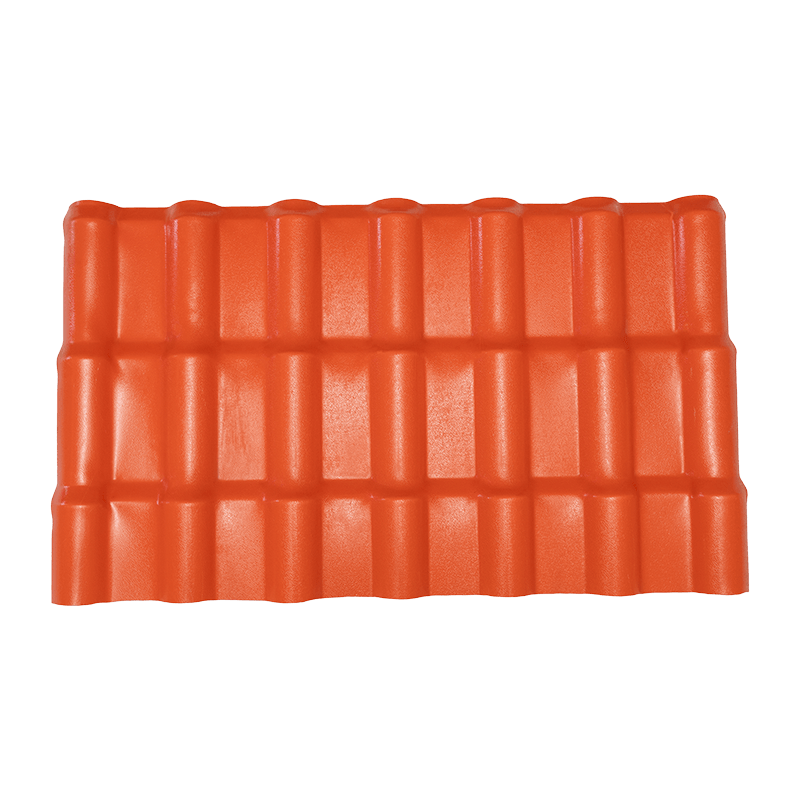
In most residential and light commercial projects, a PVC roof tile is easier and faster to install than corrugated fiberglass roofing sheets, primarily because PVC roof tile systems use interlocking panels with pre-formed fastening points, while corrugated fiberglass sheets require more precise cutting, overlap alignment, and careful handling to avoid cracking. Many contractors group this material together with other pvc tile roofing sheets and asa upvc roofing sheet products because they share a similar lightweight, interlocking installation logic that differs sharply from traditional corrugated sheeting. Installation crews typically report that a PVC roof tile roof of 100 square meters can be completed in 2 to 3 days with a two- to three-person crew, whereas the same area in corrugated fiberglass sheets often takes 3 to 4 days due to slower fastening and higher breakage rates during handling.
That said, "easier" depends on the specific project conditions, such as roof pitch, structural framing spacing, and the installer's familiarity with each material. This article breaks down the installation process for both materials in detail, including how pvc tile roofing sheets and asa upvc roofing sheet variants compare in handling and fastening, so you can judge which one fits your project, skill level, and timeline.
Installation Process Comparison
The installation sequence for both materials follows a similar general framework — measuring, cutting, laying, fastening, and sealing — but the details differ significantly in complexity.
PVC Roof Tile Installation Steps
- Install purlins or battens at the manufacturer's recommended spacing, typically 400–600mm apart.
- Lay the first row of tiles starting from the eave, aligning the interlocking edges.
- Secure each tile using self-tapping screws with rubber washers at pre-marked fastening points.
- Overlap subsequent rows by 100–150mm, using the built-in locking ribs for alignment.
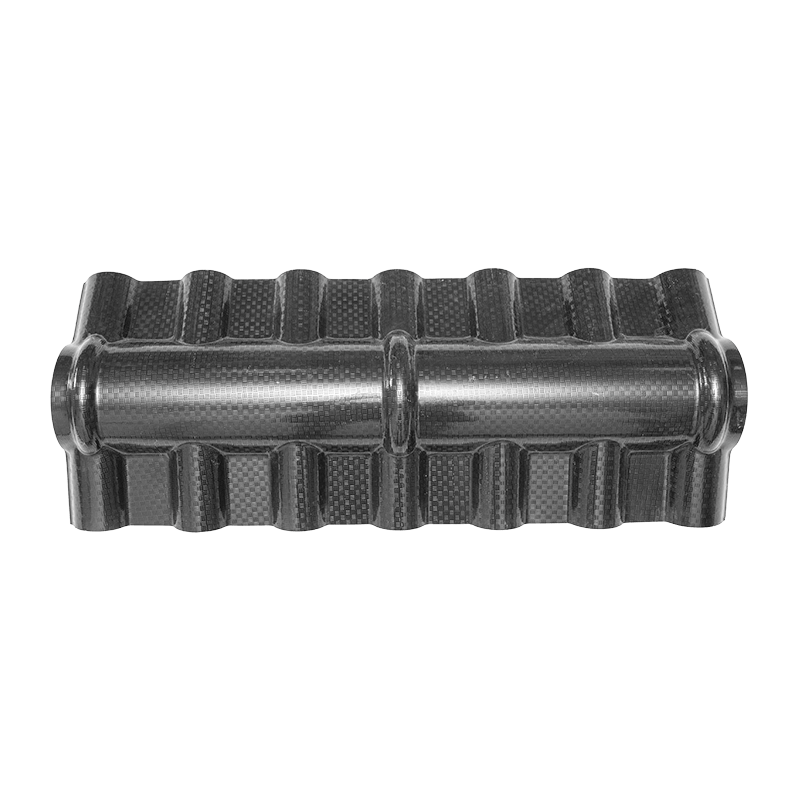
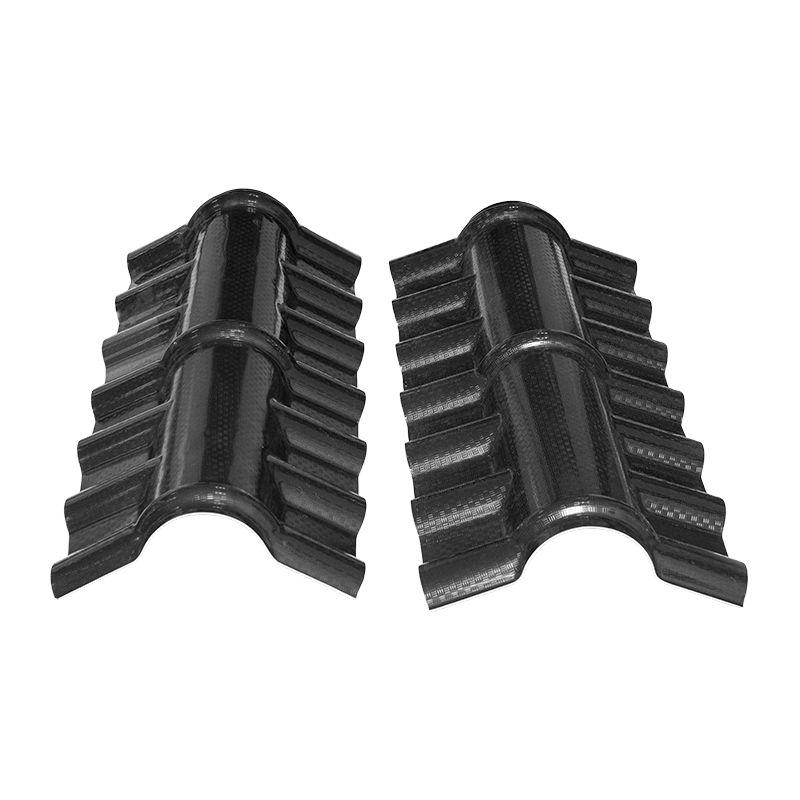
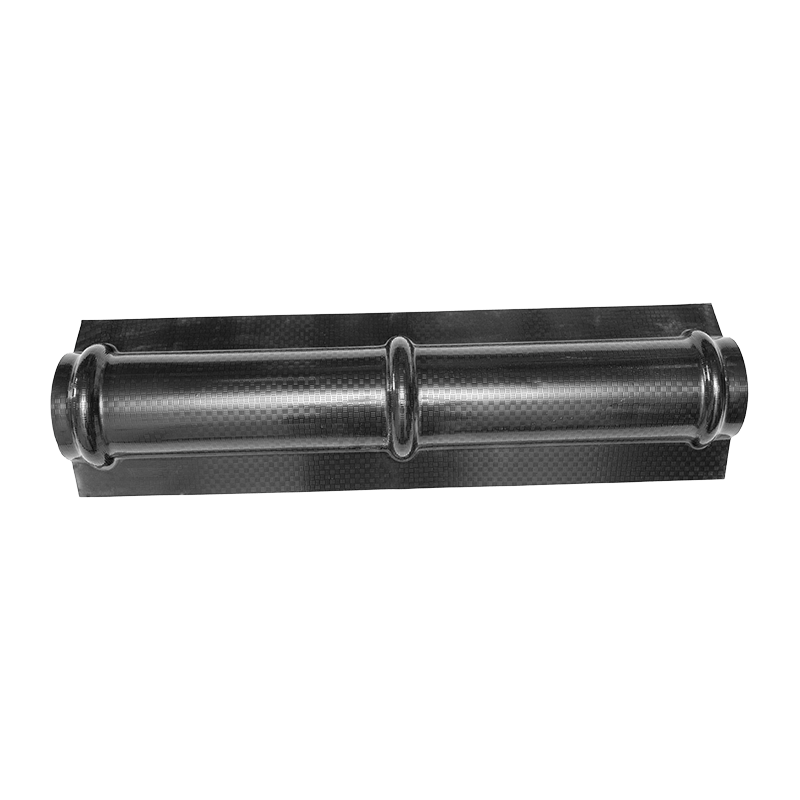
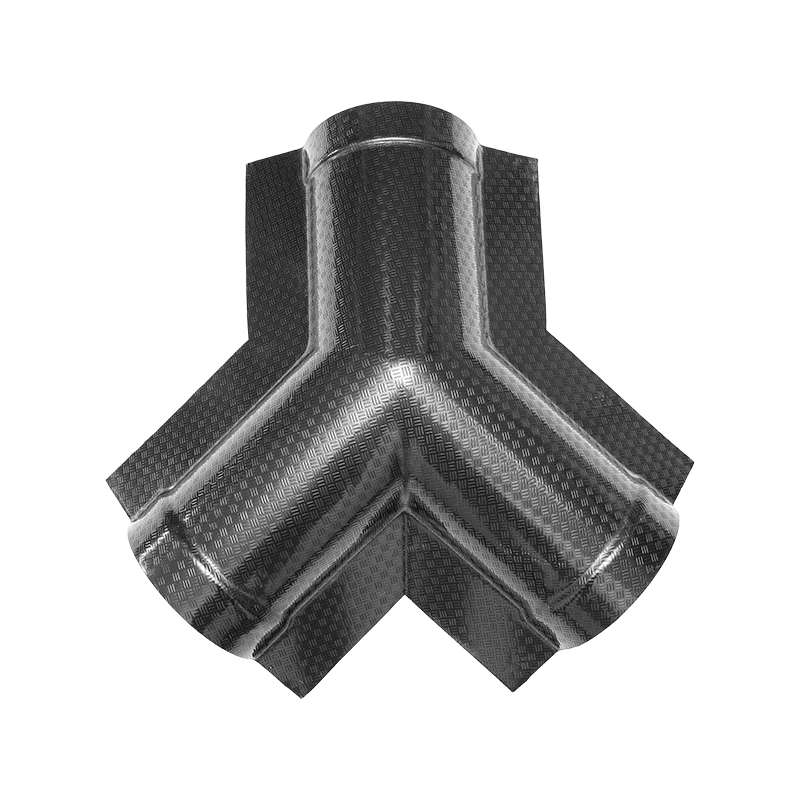
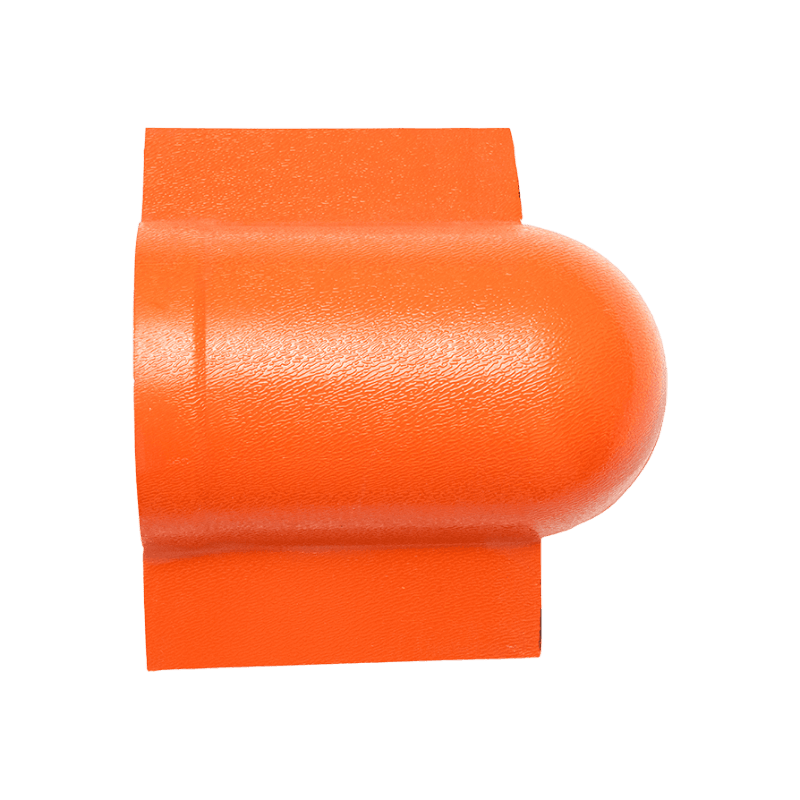
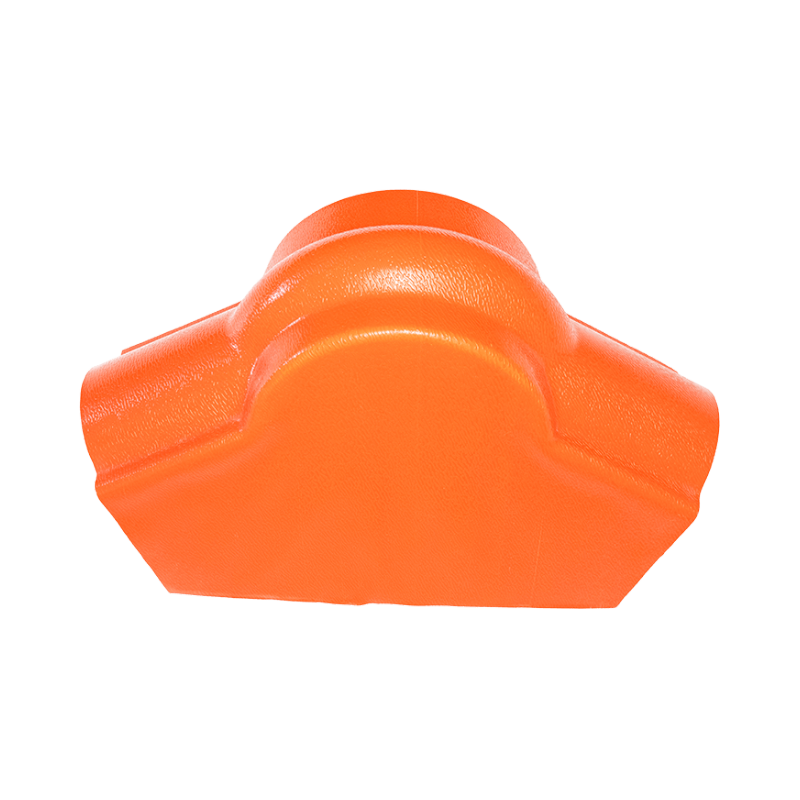
- Install ridge caps and flashing to complete waterproofing at joints.
Corrugated Fiberglass Sheet Installation Steps
- Install purlins at closer spacing, usually 300–450mm, since fiberglass sheets have less rigidity.
- Measure and cut sheets to length, accounting for a minimum 150mm end overlap.
- Pre-drill fastening holes at the crown of each corrugation to avoid cracking.
- Fasten sheets with hook bolts or self-drilling screws fitted with sealing washers.
- Apply sealant strips along overlaps to prevent water infiltration.
The extra pre-drilling and sealant application steps required for corrugated fiberglass sheets add meaningful time to the overall installation, especially on larger roofs where hundreds of fastening points are needed. By comparison, most pvc tile roofing sheets rely on a click-and-lock profile that removes the guesswork from overlap spacing entirely.
Tools, Labor, and Skill Requirements
A PVC roof tile generally requires fewer specialized tools. Standard equipment includes a cordless drill, tape measure, chalk line, and a fine-tooth saw for trimming edge tiles. Because the tiles are pre-formed with locking mechanisms, installers do not need to calculate overlap distances manually, which reduces the chance of human error and shortens the learning curve for less experienced crews. This is one reason many installers who already work with pvc tile roofing sheets find it easy to transition to an asa upvc roofing sheet product, since the tooling and fastening logic remain largely the same.
Corrugated fiberglass sheets, by contrast, demand more precision. Cutting must be done with a fine-blade circular saw or shears to avoid delaminating the fiberglass strands, and fastening requires careful hole placement to prevent stress cracking. Because fiberglass sheets are more flexible, installers also need to manage sheet flex carefully while walking on the roof, which typically requires roof jacks or crawl boards to distribute weight evenly.
Crew Size and Timeframes
For a typical 100 square meter roof, industry estimates suggest the following average completion times:
| Factor | PVC Roof Tile | Corrugated Fiberglass Sheet |
|---|---|---|
| Average install time (100 sqm) | 2–3 days | 3–4 days |
| Recommended crew size | 2–3 workers | 3–4 workers |
| Cutting difficulty | Low to moderate | Moderate to high |
| Breakage rate during install | Low (approx. 1–2%) | Higher (approx. 3–5%) |
| Fastening points per sqm | 4–6 | 8–10 |
The higher fastening point density for corrugated fiberglass sheets is a direct consequence of their lower rigidity, which requires more frequent support to prevent sagging or wind flutter over time. Rigid pvc tile roofing sheets, along with most asa upvc roofing sheet variants, avoid this issue because their profile depth provides inherent structural stiffness between supports.
Cutting, Fitting, and Handling Considerations
One of the biggest practical differences during installation is how each material handles cutting and fitting around roof penetrations such as vents, chimneys, and skylights.
A PVC roof tile can be trimmed with a standard fine-tooth saw without special precautions, and manufacturers often provide pre-molded flashing accessories designed to match the tile profile, which simplifies fitting around irregular shapes. Because the material is rigid but not brittle, edge tiles resist chipping during transport and on-site handling. An asa upvc roofing sheet typically shares this same trimming advantage, since the ASA capping layer adds surface durability without making the panel brittle at the cut edge.
Corrugated fiberglass sheets are more prone to micro-cracking along cut edges if not handled carefully, and exposed fiberglass fibers at cut edges can cause skin irritation, requiring installers to wear gloves and use edge sealant after cutting. Custom flashing around penetrations often has to be fabricated on-site rather than using pre-made components, which adds both time and a need for more advanced sheet-metal skills.
Weight and Transport on Site
A PVC roof tile typically weighs between 2.5 and 3.5 kg per square meter, while corrugated fiberglass sheets weigh slightly less, around 1.8 to 2.5 kg per square meter. Although fiberglass sheets are lighter, their larger sheet size (often 1.8 to 3 meters long) makes them more cumbersome to carry up ladders and position on steep roofs, particularly in windy conditions where the sheet can act like a sail. Smaller, modular PVC roof tile units, along with most pvc tile roofing sheets sold in panel form, are easier for a single worker to handle and position precisely.
Structural Support Requirements During Installation
Because corrugated fiberglass sheets are more flexible, they require closer purlin spacing to prevent sagging between supports, which in turn increases the amount of framing material and labor needed before the roofing material itself can even be installed. A PVC roof tile, being more rigid, tolerates wider purlin spacing, reducing both material costs and the time spent on substructure preparation.
This structural difference also affects how installers move across the roof during the build. Walking directly on corrugated fiberglass sheets without proper support boards risks cracking the panel, so crews often need additional safety planks or roof ladders distributed across the surface. PVC roof tile roofs, including most pvc tile roofing sheets with a deep rib profile, generally allow more direct foot traffic on the tile surface itself, provided weight is distributed evenly, which can shave meaningful time off the installation process.
Common Installation Mistakes and How They Affect Timeline
Understanding where installation errors commonly occur helps explain why one material may take longer in practice, even if the theoretical process looks similar on paper.
Typical PVC Roof Tile Errors
- Over-tightening screws, which can crack the fastening boss on the tile.
- Insufficient overlap on low-pitch roofs, leading to water seepage.
- Skipping thermal expansion gaps, causing tile buckling in hot climates.
Typical Corrugated Fiberglass Sheet Errors
- Drilling fastening holes in the sheet valley instead of the crown, which traps water and accelerates leaks.
- Under-supporting sheet ends, resulting in sagging and premature cracking.
- Failing to seal overlap joints properly, a leading cause of callback repairs.
Because corrugated fiberglass installation involves more manual judgment calls — hole placement, overlap sealing, sheet flex management — the error rate and resulting rework tend to be higher, which is a major reason contractors often quote longer completion times for fiberglass roofing projects compared with a PVC roof tile installation. Installers working with asa upvc roofing sheet products report similarly low rework rates, since the co-extruded ASA layer resists the same thermal buckling issues without adding installation complexity.
Cost Implications of Installation Difficulty
Installation ease translates directly into labor cost. Since a PVC roof tile roof can typically be completed one day faster than an equivalent corrugated fiberglass sheet roof, labor costs on a 100 square meter project can be reduced by roughly 15% to 25%, depending on regional labor rates. Additionally, the lower breakage and error rates associated with PVC roof tile installation reduce material waste, which further narrows the overall project cost gap even though the base material price per square meter may be higher than fiberglass sheeting. Buyers comparing quotes for pvc tile roofing sheets versus an asa upvc roofing sheet should also factor in these labor savings, not just the raw material price per panel.
For contractors billing by the day, faster installation also means the roof is weathertight sooner, reducing the risk of water damage to the building interior during a multi-day project, particularly in regions with unpredictable rainfall.
Which Option Fits Your Project
If your priority is a straightforward installation with fewer specialized tools and lower risk of on-site error, a PVC roof tile is generally the more practical choice, especially for residential roofs, sheds, and buildings where crews may have varying levels of experience. Its interlocking design, wider purlin tolerance, and pre-formed accessories reduce both the skill barrier and the total time on the roof. Within this same category, pvc tile roofing sheets and asa upvc roofing sheet options offer the added benefit of enhanced UV and weathering resistance, making them a strong choice for projects where long-term surface durability matters as much as ease of installation.
Corrugated fiberglass sheets can still be a reasonable option for simple, flat-run applications such as carports, greenhouses, or utility structures where light transmission is a priority and budget constraints outweigh installation speed. However, for most standard roofing projects, the combination of faster installation, lower breakage rates, and simpler tooling gives the PVC roof tile, and its related pvc tile roofing sheets and asa upvc roofing sheet variants, a clear practical advantage during the build process.