 English
 Français
Content
Briefly define roof tiles and their purpose.
Roof tiles are individual roofing components, traditionally made from fired clay or slate, designed to overlap and form a protective layer over a structure's roof. Their primary purpose is to create a durable, waterproof barrier that channels rain and snow off the roof, preventing water from reaching the underlying structure. They also serve as a crucial element in protecting the home from wind, fire, and UV damage, while contributing significantly to its overall aesthetic appeal.
Mention the importance of choosing the right roof tile.
Selecting the appropriate roof tile is a critical decision with long-term implications for a home's value, performance, and appearance. The right choice will ensure the roof can withstand the local climate, complement the architectural style, and fit within the project's budget. A well-chosen and properly installed tile roof can last for decades, reducing the need for frequent replacements and saving on maintenance costs. Conversely, a poor choice can lead to structural problems, reduced energy efficiency, and a shortened lifespan for the entire roofing system.
Overview of the different types of roof tiles.
The world of roof tiles is diverse, offering a range of materials, each with its own unique set of characteristics. This article will provide a comprehensive look at the most common types, including:
- Clay Tiles: Known for their classic, timeless look and exceptional longevity.
- Concrete Tiles: A versatile and cost-effective alternative that can be molded into various shapes and colors.
- Slate Tiles: A premium, natural stone option prized for its unparalleled durability and unique beauty.
- Metal Tiles: A lightweight and modern solution that offers excellent energy efficiency and resistance to the elements.
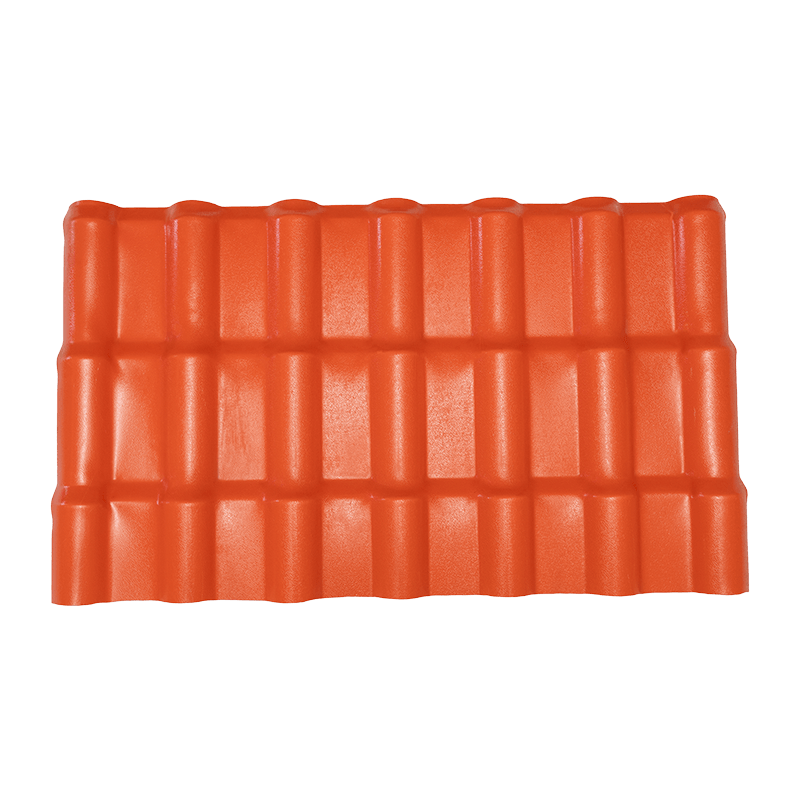
- Composite Tiles: An innovative and eco-friendly material that mimics the look of traditional tiles while being lighter and more durable.
Types of Roof Tiles
Clay Tiles
- Styles: Discuss the different styles, such as Spanish (half-cylinder shape for water runoff), Mission (alternating concave pans and convex covers), Roman (flat surface with a raised edge for drainage), and flat shingles (sleek, rectangular appearance).
- Pros:
- Durability and Longevity: Can last for 50-100+ years.
- Aesthetics: Provide a classic, timeless look that can enhance curb appeal.
- Fire Resistance: Often have a Class A fire rating.
- Energy Efficiency: Their thermal mass and installation method create a ventilated air space that helps regulate attic temperature, reducing energy costs.
- Cons:
- Cost: Generally more expensive than other materials like asphalt shingles.
- Weight: They are heavy and may require additional structural reinforcement for the roof deck.
- Fragility: Can be brittle and prone to breakage from impact or foot traffic.
Concrete Tiles
- Manufacturing Process: Explain that they are made from a mix of sand, cement, water, and iron oxide pigments, which is extruded or pressed into molds and then cured.
- Pros:
- Affordability: More cost-effective than clay or slate.
- Versatility: Can be manufactured to mimic the look of clay, slate, or wood shakes.
- Fire and Impact Resistance: Typically have a Class A fire rating and high impact resistance.
- Durability: Very long-lasting, with a lifespan of 50 years or more.
- Cons:
- Fading: The color can fade over time, especially in strong sunlight.
- Weight: Also very heavy, requiring a strong roof structure.
- Porous: Can absorb water if not properly treated, potentially leading to mold or mildew growth.
Slate Tiles
- Natural Stone Composition: Explain that they are a natural, fine-grained metamorphic rock formed from clay and volcanic ash compressed over millions of years. Their color is determined by their mineral composition.
- Pros:
- Exceptional Durability and Longevity: Often referred to as a "forever roof," they can last 100-150 years or more.
- Aesthetic Appeal: The natural beauty and unique variations of the stone provide an unmatched, high-end look.
- Eco-Friendly: A natural, recyclable material that requires minimal processing.
- Waterproof and Fireproof: Inherently resistant to water and have a Class A fire rating.
- Cons:
- High Cost: One of the most expensive roofing materials, both for the material and installation.
- Heavy Weight: The heaviest roofing material, requiring significant structural reinforcement.
- Skilled Installation: Requires a specialized and highly-skilled professional for proper installation.
Metal Tiles
- Different Metal Options: Explore options like steel (galvanized or galvalume), aluminum, and copper.
- Pros:
- Lightweight: Much lighter than clay, concrete, or slate, making them suitable for almost any structure.
- Durable: Resistant to cracking, rotting, and insect damage. Can withstand high winds.
- Energy-Efficient: Reflect radiant heat, which can reduce cooling costs.
- Longevity: Can last 40-70 years or more, especially copper and zinc.
- Cons:
- Noise: Can be noisy during heavy rain or hail.
- Denting: Softer metals like aluminum and copper are susceptible to denting from hail or falling debris.
- Cost: Varies widely by material, with steel being more affordable and copper being a premium, expensive option.
Composite Tiles
- Materials Used: Explain that they are made from a blend of materials, often including recycled plastics, rubber, and other synthetic elements.
- Pros:
- Lightweight: Significantly lighter than traditional tiles, eliminating the need for structural reinforcement.
- Durable: Engineered to be resistant to cracking, impact, and rot. Many have high wind and impact ratings.
- Eco-Friendly: Often made from recycled materials.
- Appearance: Can realistically mimic the look of natural slate, wood, or clay without the associated drawbacks.
- Cons:
- Newer Material: While durable, the long-term performance and weathering of some newer composite materials are still being evaluated compared to centuries-old options.
- Cost: Can be more expensive than asphalt shingles, though often less than natural slate or clay.
| Feature | Clay Tiles | Concrete Tiles | Slate Tiles | Metal Tiles | Composite Tiles |
|---|---|---|---|---|---|
| Weight | Heavy | Heavy | Very Heavy | Lightweight | Lightweight |
| Lifespan | 50-100+ years | 50+ years | 100-150+ years | 40-70+ years | 30-50+ years |
| Material Cost | High | Moderate | Very High | Varies (Moderate-Very High) | Moderate-High |
| Installation | Professional, specific skillset | Professional | Highly-skilled specialist | Professional | Professional |
| Appearance | Classic, natural | Versatile, can mimic others | Unmatched, premium | Modern, sleek | Mimics natural materials |
| Maintenance | Low, but fragile | Low, but can fade | Very Low, if undamaged | Very Low | Very Low |
Factors to Consider When Choosing Roof Tiles
Climate:
- Hot Climates: Tiles with high solar reflectance are ideal. Lighter-colored tiles, as well as materials like metal and concrete, can help reflect sunlight and reduce the heat absorbed by the roof, leading to lower air conditioning costs. The thermal mass of clay tiles can also help regulate temperature.
- Cold Climates: Tiles must be able to withstand freeze-thaw cycles without cracking. Look for tiles with low water absorption rates, as absorbed water can expand when frozen, causing damage. Slate and certain types of clay and concrete tiles are engineered for this.
- Rainy Climates: The design of the tile is crucial for effective water runoff. The interlocking system and proper underlayment are essential to prevent leaks.
- Windy Climates: Tiles need to have high wind resistance ratings. The weight of clay and concrete tiles can be a benefit, but proper fastening is critical for all materials, especially lighter ones like metal and composite tiles.
Roof Pitch:
- Low-Slope Roofs (e.g., 2:12 to 4:12): Not all tiles are suitable for low-pitch roofs. Interlocking tiles are often required to prevent water from backing up under the tiles. Some tile types may be restricted by local building codes on low-slope roofs.
- Steep-Slope Roofs (e.g., 5:12 and above): A wider variety of tile types can be used on steep slopes, as gravity assists in water runoff. The weight of the tiles is a significant factor, as more weight is transferred down the slope and to the eave.
Budget:
- Initial Cost vs. Long-Term Value: While some materials like slate have a high initial cost, their longevity can make them a more cost-effective choice over the lifespan of the home compared to materials that need more frequent replacement.
- Material and Labor Costs: The total cost includes both the price of the tiles and the labor for installation, which can vary significantly depending on the material's weight, complexity, and the specialized skills required.
Aesthetics:
- Architectural Style: The tile choice should complement the home's design. For example, Spanish-style clay tiles are a classic fit for Mediterranean or Spanish colonial homes, while slate is often used on historic or traditional structures.
- Color and Texture: Tiles come in a vast array of colors, from natural earth tones to vibrant hues. The texture, whether smooth, rough, or ribbed, can also contribute to the overall look.
Building Codes and Regulations:
- Local Requirements: It is crucial to check local building codes for specific regulations regarding roofing materials. These codes may dictate fire ratings, wind uplift requirements, and material-specific standards.
- Weight Restrictions: Some municipalities have restrictions on the total weight of a roofing system, which can be a key factor when considering heavy materials like clay, concrete, or slate.
| Parameter | Clay Tiles | Concrete Tiles | Slate Tiles | Metal Tiles | Composite Tiles |
|---|---|---|---|---|---|
| Climate Suitability | Excellent for most climates, especially hot and moderate. | Excellent for most climates, with specific options for freeze-thaw. | Highly resistant to all climates, including extreme cold. | Excellent for all climates, especially hot (reflective). | Excellent for most climates. |
| Roof Pitch | Suitable for moderate to steep pitches. | Suitable for moderate to steep pitches. | Suitable for a wide range of pitches. | Excellent for most pitches, including low-slope. | Excellent for most pitches, including low-slope. |
| Budget Impact | High initial cost. | Moderate initial cost. | Very high initial cost. | Varies widely from moderate to very high. | Moderate to high initial cost. |
| Aesthetic Versatility | Limited to classic styles. | Very high, can mimic many materials. | Limited to natural stone look. | Modern and industrial look. | Very high, can mimic many materials. |
| Building Code Compliance | Generally compliant with standards. | Generally compliant with standards. | Generally compliant with standards. | Generally compliant with standards. | Generally compliant with standards. |
Roof Tile Installation
Preparing the Roof Deck:
- Inspection: The first step is a thorough inspection of the existing roof deck, which is the structural surface of the roof, usually made of plywood or OSB. The deck must be structurally sound and free of rot, water damage, or significant defects. Any compromised sections must be repaired or replaced before proceeding.
- Cleaning and Clearing: The deck must be completely cleaned of all old roofing materials, nails, debris, and dirt. This provides a clean, flat surface for the new installation.
- Reinforcement: Due to the weight of materials like clay, concrete, and slate, a structural engineer may need to assess and reinforce the roof deck to ensure it can safely support the added load.
Underlayment Installation:
- The Role of Underlayment: The underlayment is a critical second line of defense against water penetration. It is installed directly over the roof deck and acts as a waterproof barrier, protecting the structure from moisture that may get past the tiles.
- Types: Underlayment comes in two main types: traditional asphalt-saturated felt and newer synthetic materials. Synthetic underlayment is generally more durable, lighter, and more resistant to tearing and moisture.
- Installation Process: Underlayment is rolled out horizontally, starting from the eaves (the bottom edge) and working up to the ridge. Each new layer overlaps the one below it to create a seamless, water-shedding surface. It is secured to the deck with specialized roofing nails or staples.
Tile Installation Process:
- Layout and Planning: A roofer will carefully plan the tile layout to ensure a proper fit and consistent appearance. This involves snapping chalk lines to guide the placement of each row.
- Batten System (Optional): On steep roofs, a batten system (horizontal strips of wood or metal) may be installed to provide a framework for the tiles to hook onto, preventing them from sliding down.
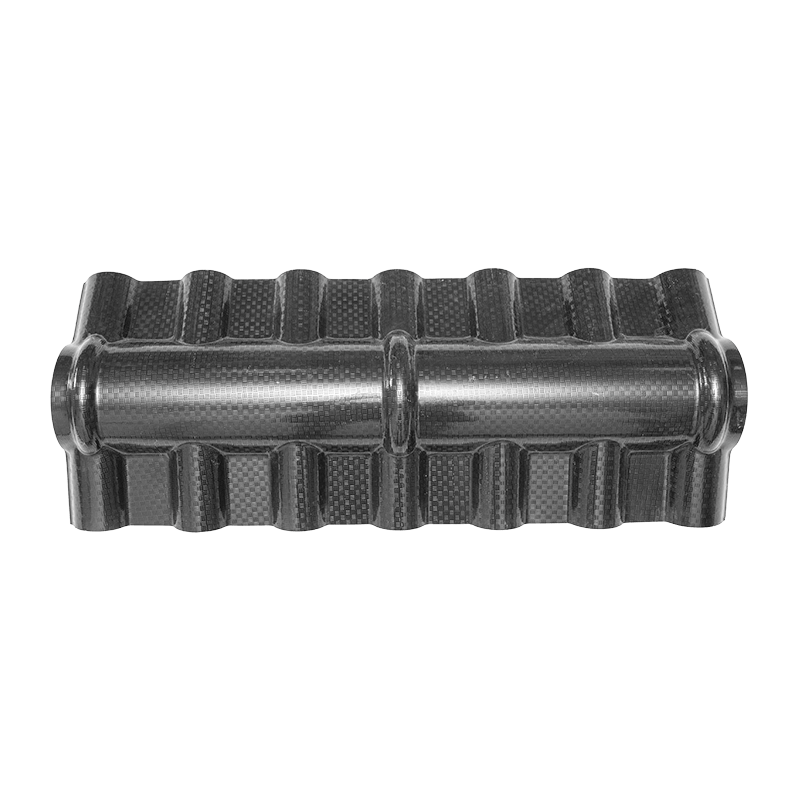
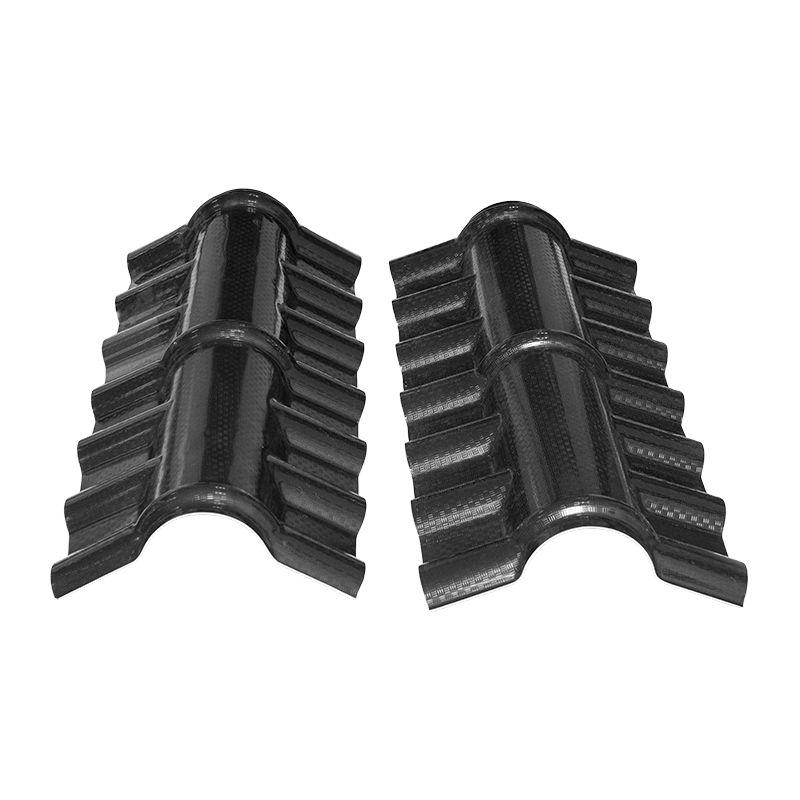
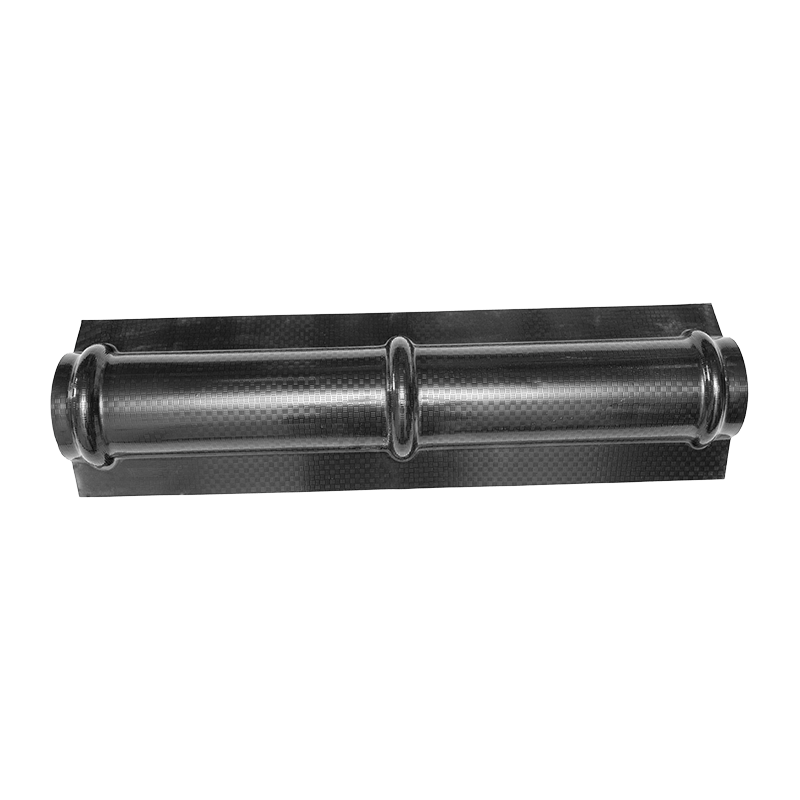
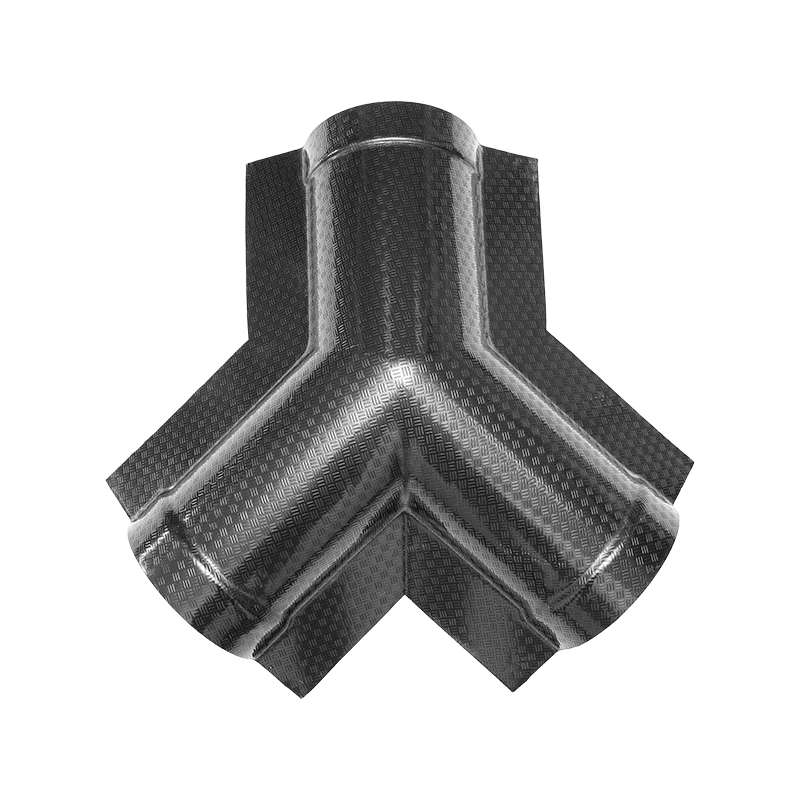
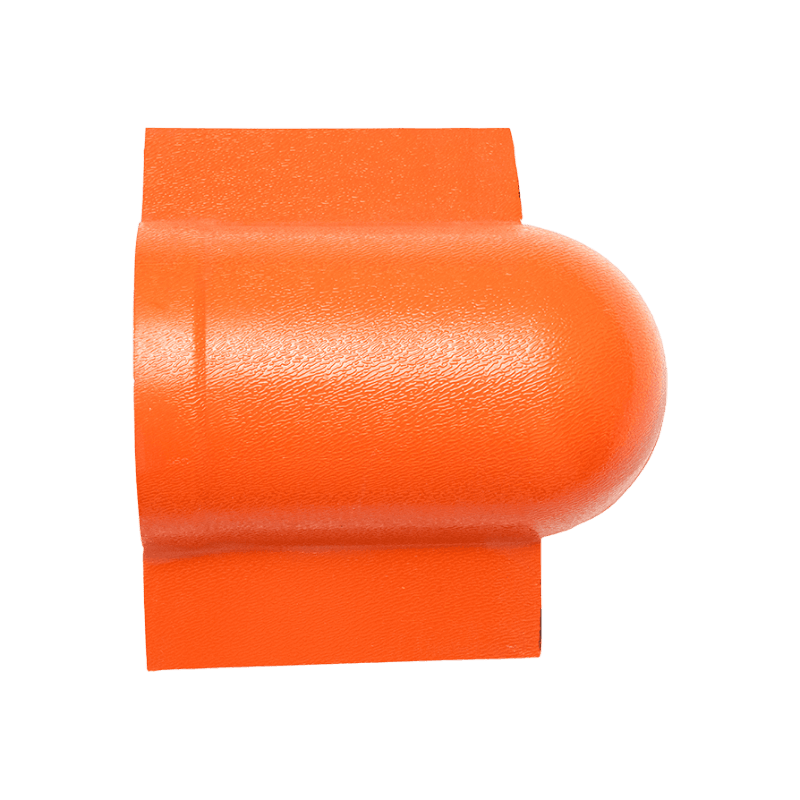
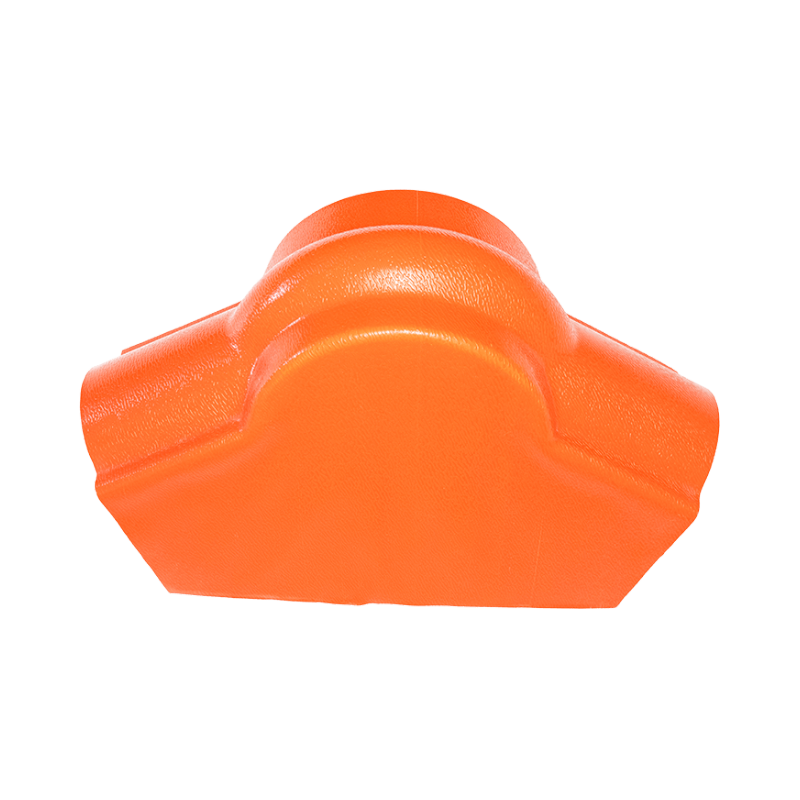
- Laying the Tiles: Installation typically begins at the eave and proceeds row by row, working from one side of the roof to the other. Tiles are secured to the roof deck or battens with fasteners, and the design of the tiles allows them to interlock or overlap, creating the waterproof barrier. Special tiles are used for the hips, ridges, and valleys of the roof to ensure a finished, leak-proof system.
- Flashing: Flashing, typically made of metal, is installed around all roof penetrations such as chimneys, vents, and skylights. This prevents water from seeping into the roof around these features.
Safety Precautions:
- Personal Protective Equipment (PPE): All workers must wear appropriate PPE, including fall protection harnesses, non-slip footwear, hard hats, and safety glasses.
- Fall Protection: OSHA and other safety standards require fall protection systems, such as harnesses and anchor points, for work on steep-slope roofs. Scaffolding or aerial lifts may also be used.
- Safe Working Conditions: Work should only be done in good weather, avoiding rain, high winds, or extreme temperatures. The roof surface must be kept clear of debris to prevent tripping hazards.
When to Hire a Professional:
- The installation of tile roofs, especially those made of heavy materials like clay, concrete, or slate, is a complex process that requires specialized knowledge and tools.
- Hiring a professional ensures the roof deck is properly prepared, the tiles are installed according to manufacturer specifications and building codes, and the job is completed safely.
- A professional roofer can also identify and address potential issues that a homeowner might miss, which can prevent costly repairs in the future. The specialized skills required for proper installation are key to a long-lasting and effective tile roof.
Cost of Roof Tiles
Material Costs:
- Clay Tiles: The material cost for clay tiles is on the higher end, typically ranging from $5 to $10 per square foot. The price can vary depending on the style and finish.
- Concrete Tiles: Concrete tiles are a more budget-friendly option for materials, generally costing between $2 and $4 per square foot. Their affordability makes them a popular choice.
- Slate Tiles: Slate is a premium material with a very high cost, often ranging from $5 to $30 per square foot for the material alone, depending on the type and quality of the stone.
- Metal Tiles: The cost of metal tiles varies widely depending on the type of metal. Steel is more affordable, while aluminum and especially copper can be quite expensive. Costs can range from $6 to $15 per square foot.
- Composite Tiles: The material cost for composite tiles is generally in the mid-to-high range, from $7 to $11 per square foot, reflecting their engineered durability and appearance.
Installation Costs:
- Labor Costs: Labor is a significant part of the total cost and is influenced by the complexity of the installation, the weight of the material, and local labor rates. The labor for heavy materials like slate is particularly high due to the specialized skills required.
- Total Installed Cost: The total installed cost per square foot, including materials and labor, gives a more accurate picture.
- Clay: $10 - $25
- Concrete: $7 - $19
- Slate: $10 - $45
- Metal: $11 - $30
- Composite: $11 - $18
Maintenance Costs:
- Low Maintenance: Tile roofs, in general, are known for being low maintenance. However, they are not maintenance-free.
- Potential Expenses: Potential maintenance expenses include:
- Broken Tiles: Tiles can crack or break due to foot traffic, impact from falling debris, or extreme weather events. Replacement of individual tiles is a common repair.
- Underlayment Failure: The underlayment may wear out over time, especially on older roofs, requiring repair or replacement.
- Cleaning: Algae, moss, or mildew may grow on tiles, particularly in humid climates, requiring periodic cleaning. This is especially true for more porous materials like concrete.
Long-Term Value:
- Initial Investment vs. Lifespan: While the initial cost of tile roofs is higher than other common roofing materials like asphalt shingles, their exceptional lifespan offers significant long-term value.
- Cost-per-year: A roof that lasts 50-100 years or more will have a lower annual cost than a roof that needs to be replaced every 15-20 years.
- Energy Savings: Many tile materials, especially clay and metal, can contribute to a home's energy efficiency, leading to savings on heating and cooling bills over the life of the roof.
| Material | Material Cost Range | Installed Cost Range | Maintenance Level |
|---|---|---|---|
| Clay Tiles | $5 - $10 | $10 - $25 | Low |
| Concrete Tiles | $2 - $4 | $7 - $19 | Low-Medium |
| Slate Tiles | $5 - $30 | $10 - $45 | Very High |
| Metal Tiles | $6 - $15 | $11 - $30 | Very Low |
| Composite Tiles | $7 - $11 | $11 - $18 | Low |
Maintenance and Repair
Regular Inspections:
- Importance: Regular roof inspections are the most crucial part of roof tile maintenance. They allow for the early detection of minor issues before they escalate into major, costly repairs. A simple check can reveal cracked tiles, loose fasteners, or debris accumulation.
- Frequency: It is recommended to perform a visual inspection from the ground at least twice a year, typically in the spring and fall. A more detailed, professional inspection should be done every 3-5 years or immediately after a major storm.
Cleaning and Maintenance Tips:
- Debris Removal: Regularly clear leaves, sticks, and other debris from the roof surface, especially in valleys and gutters. Debris can trap moisture and lead to moss or algae growth and can cause water to back up under the tiles. A leaf blower or a soft-bristled broom is effective for this.
- Cleaning Algae and Moss: In humid climates, moss, algae, or lichen can grow on tiles. A soft wash with a hose and a mild, biodegradable cleaning solution is the recommended method. Avoid high-pressure washing, as it can damage the tile surface, fasteners, and underlayment.
- Trimming Trees: Trim overhanging tree branches to prevent them from dropping debris on the roof and to reduce the risk of a branch falling and cracking tiles.
Common Problems and Repairs:
- Cracked or Broken Tiles: This is the most common problem and is often caused by foot traffic, falling debris, or thermal expansion and contraction. Cracked tiles must be replaced promptly to prevent water from penetrating the underlayment.
- Slipping or Missing Tiles: Tiles can slip out of place if the fasteners or underlayment fail. These need to be re-secured or replaced to maintain a continuous, waterproof barrier.
- Underlayment Deterioration: Over time, the underlayment beneath the tiles can degrade. Signs of this include interior leaks, even if the tiles are intact. This is a significant issue that requires a professional to remove the tiles, replace the underlayment, and reinstall the tiles.
Extending the Life of Your Roof Tiles:
- Professional Installation: Proper, professional installation is the foundation of a long-lasting tile roof. It ensures the roof deck is prepared correctly and all components are installed according to specifications, which prevents premature failure.
- Timely Repairs: Addressing minor issues like a single cracked tile as soon as they are discovered can prevent water damage to the underlayment and roof structure, saving you from a much larger and more expensive repair down the line.
- Avoiding Unnecessary Foot Traffic: Walking on a tile roof can easily crack or break tiles. If maintenance or repair work is needed, it should be done by a professional who understands how to safely navigate the roof.
| Material | Common Problems | Repair Complexity | Recommended Maintenance |
|---|---|---|---|
| Clay Tiles | Cracks from impact, moss/algae growth. | Moderate, requires careful handling to avoid breaking more tiles. | Annual inspections and periodic cleaning. |
| Concrete Tiles | Fading color, efflorescence (white stains), moss/algae. | Moderate, but tiles can be heavy. Matching faded colors can be difficult. | Regular cleaning and potential re-sealing or repainting. |
| Slate Tiles | Cracks or breaks from impact, rare. | High, requires specialized tools and expertise to replace. | Very low. Primarily regular inspections for impact damage. |
| Metal Tiles | Dents from hail, scratches in the coating, loose fasteners. | Low-to-moderate. Dents can be a cosmetic issue. Scratches can be touched up. | Annual inspections for loose fasteners and minor touch-ups. |
| Composite Tiles | Delamination, fading, and occasional cracking. | Low-to-moderate. Individual tiles can often be replaced easily. | Low. Primarily regular visual inspections. |
Conclusion
- Recap of the different types of roof tiles.
This guide has explored the diverse world of roof tiles, covering the distinct features of clay, concrete, slate, metal, and composite materials. We've seen that each type offers a unique blend of pros and cons, from the classic aesthetics and longevity of clay to the lightweight and eco-friendly nature of composites. Concrete provides a versatile and affordable alternative, while slate and certain metals represent premium options with unmatched durability and lifespan.
- Importance of choosing the right tile for your home.
The decision on which roof tile to use is more than just a matter of preference. It's a critical investment that affects the home's structural integrity, energy efficiency, and curb appeal for decades. The right tile will not only protect your home from the elements but will also be a key component in its overall design, contributing to its value and character for generations.
- Final thoughts and recommendations.
When making your final choice, consider the balance between initial cost, long-term value, and the specific needs of your home and climate. While a high-quality tile roof requires a significant upfront investment, its low maintenance and exceptional lifespan often make it the most cost-effective solution over the long run. By carefully evaluating all the factors discussed in this guide, you can confidently choose a roofing material that is both beautiful and built to last.
FAQ
- How long do roof tiles last?
The lifespan of roof tiles varies significantly by material. Clay and concrete tiles typically last 50-100 years or more. Slate tiles are the longest-lasting, often exceeding 100-150 years. Metal tiles generally have a lifespan of 40-70 years, while composite tiles are newer but are expected to last for 30-50 years. The longevity of any tile roof depends on proper installation, climate, and maintenance.
- Are roof tiles eco-friendly?
Many types of roof tiles are considered eco-friendly. Clay and slate are made from abundant, natural materials. Their exceptional longevity reduces landfill waste from frequent replacements. Many composite tiles are made from recycled materials, and metal tiles often contain a high percentage of recycled content and are fully recyclable at the end of their life. Additionally, the insulating properties of tiles can help reduce a home's energy consumption.
- Can I install roof tiles myself?
While it may be possible for a very experienced DIYer to handle a small repair, full tile roof installation is not recommended for a DIY project. The process is complex, physically demanding, and requires specialized knowledge of roof pitch, underlayment, and proper fastening. The weight of many tiles also presents a significant safety risk. For a durable, leak-proof, and safe installation, it is always best to hire a professional roofer.
- How do I choose the right color of roof tiles?
When choosing a tile color, consider your home's architectural style, the color of your siding and trim, and your local climate. Lighter-colored tiles are often a good choice for hot climates as they reflect sunlight and can reduce cooling costs. Darker colors absorb heat, which can be beneficial in colder climates to help melt snow and ice. Look for a color that complements your home's overall aesthetic and a timeless shade that will look good for years to come.
- What are the benefits of using roof tiles over other roofing materials?
Roof tiles offer several key benefits over other materials like asphalt shingles. These include:
- Longevity: Tiles have a much longer lifespan, often lasting for decades with minimal maintenance.
- Durability: They are highly resistant to fire, rot, insect damage, and extreme weather.
- Aesthetics: Tiles provide a classic, high-end look that can significantly increase a home's curb appeal and value.
- Energy Efficiency: Their design and thermal properties can help regulate a home's temperature, leading to energy savings.
- What is roof underlayment and why is it important?
Roof underlayment is a crucial waterproof or water-resistant barrier installed directly onto the roof deck before the tiles are laid. Its primary purpose is to serve as a secondary line of defense against water infiltration, protecting the roof structure and interior of the home from moisture that might get past the tiles due to wind-driven rain, ice dams, or a cracked tile. Underlayment is typically made from felt or modern synthetic materials. The right underlayment is essential for the long-term performance and durability of a tile roof.
- Does roof pitch affect the choice of roof tiles?
Yes, roof pitch—the steepness or slope of the roof—is a major factor in selecting the right tiles. Low-slope roofs (e.g., below a 4:12 pitch) require special interlocking tiles and a highly-effective underlayment to prevent water from backing up and leaking. Steep-slope roofs (e.g., above a 7:12 pitch) are suitable for a wider range of tiles, but the weight of the tiles is a more significant concern, as it puts greater stress on the roof structure. Some materials like slate and certain clay tiles are best suited for steeper pitches.
- How does a tile roof handle severe weather?
Tile roofs are exceptionally resilient to severe weather. Clay, concrete, and slate tiles have a high resistance to fire and are non-combustible. Their weight and design can make them highly wind-resistant, provided they are properly installed with the right fastening. In areas with heavy rain, their overlapping design effectively sheds water. For regions with hail, concrete and some metal tiles offer high impact resistance. While some tiles can be brittle, their individual replacement is often simpler than repairing other types of roofing after storm damage.