 English
 Français
Content
- 1 Understanding the Fireproof Capabilities of Fireproof Synthetic Resin Tiles
- 1.1 1. Composition and Material Structure of Fireproof Synthetic Resin Tiles
- 1.2 2. Mechanism of Fire Resistance in Fireproof Synthetic Resin Tiles
- 1.3 3. Testing and Certification of Fireproof Synthetic Resin Tiles
- 1.4 4. Comparative Analysis of Fireproof Synthetic Resin Tiles and Other Roofing Materials
- 1.5 5. Applications in Fire-Prone Areas
- 1.6 6. The Environmental Impact of Fireproof Synthetic Resin Tiles
- 1.7 7. Long-Term Performance and Durability
- 2 The Role of Fireproof Synthetic Resin Tiles in Protecting Buildings from Fire Hazards
- 2.1 1. Understanding the Fire Resistance Mechanism of Fireproof Synthetic Resin Tiles
- 2.2 2. Preventing Fire Spread: How Fireproof Synthetic Resin Tiles Stop Fires from Spreading
- 2.3 3. Fireproof Synthetic Resin Tiles in Wildfire-Prone Areas: A Vital Safety Feature
- 2.4 4. How Fireproof Synthetic Resin Tiles Contribute to Building Safety Standards
- 2.5 5. Long-Term Fire Protection and Maintenance of Fireproof Synthetic Resin Tiles
- 3 Fireproof Synthetic Resin Tiles vs Traditional Roofing: A Durability Comparison
- 4 How Fireproof Synthetic Resin Tiles Improve Structural Safety in Fire-Prone Areas
- 4.1 1. Preventing the Spread of Fire: A Barrier Between Flames and Structure
- 4.2 2. Heat Insulation and Temperature Regulation: Protecting the Structural Integrity
- 4.3 3. Impact Resistance: Protecting Against Fire-Related Debris and Falling Objects
- 4.4 4. Long-Term Durability and Maintenance-Free Performance
- 5 The Impact of Fireproof Synthetic Resin Tiles on Long-Term Roof Durability
Understanding the Fireproof Capabilities of Fireproof Synthetic Resin Tiles
Fireproof Synthetic Resin Tiles have emerged as one of the most advanced materials for roofing systems, providing superior protection against fire hazards compared to traditional roofing options. The need for fire-resistant materials in construction, especially in areas prone to wildfires or other fire-related risks, has grown significantly. Roofing materials that can withstand high temperatures and prevent the spread of fire play a critical role in safeguarding both buildings and occupants.
1. Composition and Material Structure of Fireproof Synthetic Resin Tiles
Fireproof Synthetic Resin Tiles are made primarily from a combination of ASA (Acrylonitrile Styrene Acrylate) resin and other synthetic materials that undergo advanced manufacturing processes. ASA is a high-performance polymer known for its superior resistance to heat, UV radiation, and chemicals. These properties make ASA an ideal choice for producing fire-resistant roofing materials. To enhance their fireproof qualities, these resin tiles are typically reinforced with non-combustible additives and flame-retardant agents.
The composition of Fireproof Synthetic Resin Tiles is designed to resist ignition when exposed to high temperatures. The resin's molecular structure prevents the spread of flames, and the tiles themselves will not emit harmful gases or produce toxic smoke when exposed to fire, unlike traditional materials like wood or certain plastics. Additionally, the tiles are treated with flame-retardant chemicals that slow down the combustion process and provide added resistance in the face of direct flame exposure.
2. Mechanism of Fire Resistance in Fireproof Synthetic Resin Tiles
The fire resistance of Fireproof Synthetic Resin Tiles can be attributed to their ability to withstand high temperatures without losing structural integrity. Upon exposure to heat or flames, the surface of the tile forms a protective layer that insulates the underlying material from further heat. This process, often referred to as charring or intumescence, helps to prevent the fire from penetrating the tile and spreading to the rest of the structure.
Furthermore, Fireproof Synthetic Resin Tiles undergo a series of tests to ensure their performance in fire situations. These tests typically include exposure to high temperatures for prolonged periods and evaluating the tiles' behavior under direct flame contact. As a result, they meet stringent fire resistance standards, such as those established by international regulatory bodies like ASTM and ISO. The ability of these tiles to maintain their shape and prevent flame propagation even in extreme heat conditions makes them a superior option for fire safety.
3. Testing and Certification of Fireproof Synthetic Resin Tiles
The fireproof capabilities of Fireproof Synthetic Resin Tiles are validated through rigorous testing and certification processes. These tests measure the material's ability to withstand different types of fire exposure, including direct flame, radiant heat, and fire spread. One of the most widely recognized tests for roofing materials is the Fire Resistance Rating (FRR), which evaluates how long a material can resist fire before it begins to break down.
Fireproof Synthetic Resin Tiles undergo these standardized fire tests in laboratory settings, where they are exposed to temperatures ranging from 1,000°F (537°C) to 2,000°F (1,093°C). The tiles are subjected to heat for various durations, and the results indicate how well the material holds up. The longer a material can resist fire without significant structural failure, the higher its FRR rating will be.
For example, the ASTM E108 fire test, which is commonly used in North America, assesses the performance of roofing materials under fire conditions. Fireproof Synthetic Resin Tiles typically achieve Class A or Class B ratings, depending on their specific formulation and construction. A Class A rating is the highest level of fire resistance, indicating that the material is highly effective at preventing fire from spreading.
In addition to the FRR, Fireproof Synthetic Resin Tiles may also be evaluated for their flame spread index and smoke development index. These metrics provide valuable information about how quickly a fire could spread across the roof and how much smoke would be generated in the event of a fire. Fireproof Synthetic Resin Tiles score exceptionally well in both of these categories, making them a preferred choice for buildings where fire safety is a top priority.
4. Comparative Analysis of Fireproof Synthetic Resin Tiles and Other Roofing Materials
When comparing Fireproof Synthetic Resin Tiles to traditional roofing materials, the advantages in terms of fire resistance become evident. Materials such as asphalt shingles, wooden shingles, and certain types of metal roofing are often prone to ignition or significant degradation under high heat. While metal roofing may be fire-resistant to some degree, it does not offer the same level of flame retardation as synthetic resin tiles.
Asphalt shingles, commonly used in residential roofing, are particularly vulnerable to fire. When exposed to flames, they can melt, ignite, and quickly contribute to the spread of fire. Similarly, wood roofing materials, although aesthetically appealing, are highly flammable and can serve as a direct conduit for fire. Fireproof Synthetic Resin Tiles, on the other hand, provide superior protection by preventing the spread of flames, thus offering a safer and more durable option.
The unique combination of ASA resin and flame-retardant additives in Fireproof Synthetic Resin Tiles ensures that they perform significantly better in fire tests compared to most traditional materials. They offer a more reliable solution for preventing roof fires and protecting the building structure.
5. Applications in Fire-Prone Areas
The fireproof capabilities of Fireproof Synthetic Resin Tiles make them particularly suitable for regions prone to wildfires or other fire hazards. In such areas, building codes often mandate the use of fire-resistant roofing materials to minimize the risk of fire spreading from external sources like wildfires or nearby building fires. Fireproof Synthetic Resin Tiles meet these requirements, providing a protective barrier that helps to shield homes and commercial buildings from external fire threats.
Moreover, Fireproof Synthetic Resin Tiles can also be used in high-rise buildings, schools, hospitals, and other critical infrastructure where fire safety is of utmost importance. The integration of fireproof roofing materials in these types of buildings ensures that the structure remains safe during fire emergencies, giving occupants more time to evacuate and reducing the risk of fire-related injuries or fatalities.
6. The Environmental Impact of Fireproof Synthetic Resin Tiles
Beyond their fireproof capabilities, Fireproof Synthetic Resin Tiles also offer environmental benefits. Unlike traditional roofing materials that may release harmful chemicals or contribute to pollution when exposed to fire, Fireproof Synthetic Resin Tiles do not produce toxic smoke or gases during combustion. This makes them a safer choice for both the environment and the individuals occupying the building.
Furthermore, many Fireproof Synthetic Resin Tiles are made from recyclable materials, contributing to sustainability efforts in construction. This eco-friendly aspect, combined with their fire-resistant properties, makes them an ideal choice for environmentally conscious builders and homeowners looking to minimize their ecological footprint while ensuring maximum safety.
7. Long-Term Performance and Durability
Fireproof Synthetic Resin Tiles are not only fire-resistant but also highly durable over time. Their resistance to UV radiation, rain, snow, and other environmental factors ensures that they maintain their structural integrity and aesthetic appeal for many years. In comparison to other materials that may degrade or lose their effectiveness after extended exposure to the elements, Fireproof Synthetic Resin Tiles retain their performance even under harsh conditions.
This longevity is particularly important in areas with extreme weather patterns, such as high winds, heavy rain, or intense sunlight. Fireproof Synthetic Resin Tiles are engineered to endure these conditions, making them a reliable roofing solution that requires minimal maintenance. Their ability to resist fading, cracking, or warping ensures that they continue to perform effectively throughout their lifespan.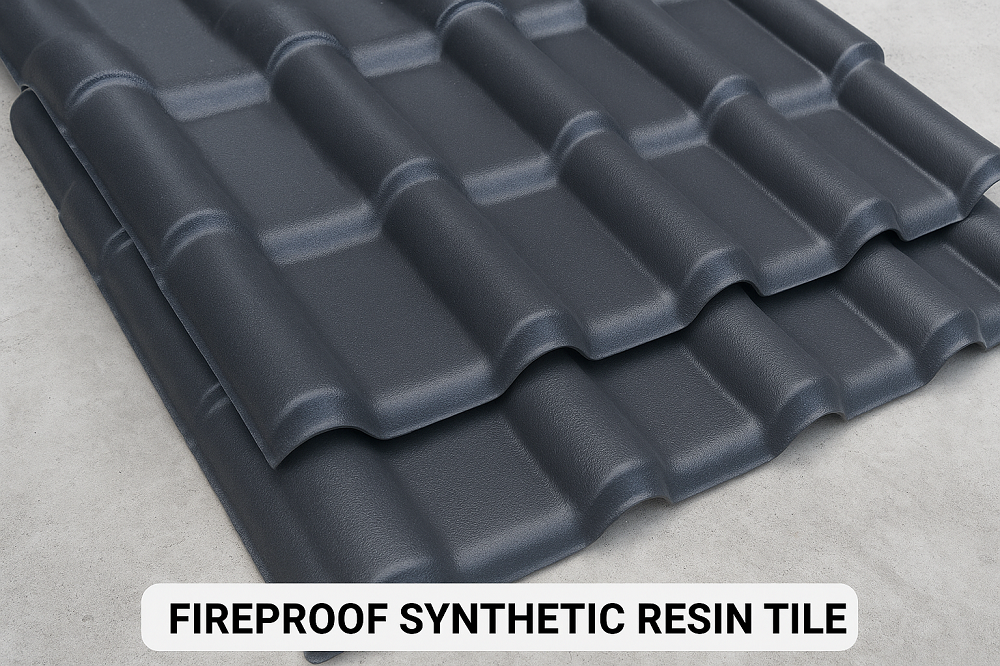
The Role of Fireproof Synthetic Resin Tiles in Protecting Buildings from Fire Hazards
Fire safety is a critical concern for modern buildings, especially in regions that face high risks from wildfires, industrial fires, or electrical fires. The roofing material used plays a significant role in preventing the spread of fire, ensuring the structural integrity of the building, and safeguarding the lives of its occupants. In this context, Fireproof Synthetic Resin Tiles offer exceptional performance by providing an effective barrier against fire hazards. These tiles, made from advanced synthetic resins, are designed to withstand extreme heat, prevent flame spread, and maintain their structural integrity even under intense fire exposure.
Fireproof Synthetic Resin Tiles have become increasingly popular as the preferred roofing material in fire-prone areas due to their remarkable fire-resistant properties. This section delves into how these tiles contribute to building safety by preventing the ignition of flames, reducing fire damage, and ensuring long-term protection for buildings.
1. Understanding the Fire Resistance Mechanism of Fireproof Synthetic Resin Tiles
The fire resistance of Fireproof Synthetic Resin Tiles can be attributed to their unique composition and the technology used in their manufacturing. These tiles are primarily made from ASA (Acrylonitrile Styrene Acrylate) resin, a high-performance polymer that offers superior resistance to heat and flame. Unlike traditional roofing materials, such as asphalt shingles or wood, which can ignite easily when exposed to fire, Fireproof Synthetic Resin Tiles are specifically engineered to prevent ignition and flame propagation.
When exposed to high temperatures or direct flames, Fireproof Synthetic Resin Tiles undergo a protective process that helps to contain the fire. At the surface level, the tiles begin to char and form a dense, insulating layer that acts as a heat shield, preventing further flame penetration. This layer not only isolates the flame from the rest of the material but also slows down the combustion process. The tiles do not melt or warp easily, unlike other materials such as plastic or asphalt, which can deform and contribute to fire spread.
Additionally, Fireproof Synthetic Resin Tiles are treated with fire retardants and flame inhibitors during the manufacturing process. These additives enhance the tile's ability to resist heat and fire, ensuring that the material retains its structural integrity even when exposed to extreme temperatures. The result is a roofing material that significantly reduces the risk of fire-related damage, providing enhanced safety for the building and its occupants.
2. Preventing Fire Spread: How Fireproof Synthetic Resin Tiles Stop Fires from Spreading
One of the most important roles of Fireproof Synthetic Resin Tiles is their ability to prevent the spread of fire across the roof and to other parts of the building. In the event of a fire, the roofing material can serve as a critical barrier, preventing the fire from moving horizontally or vertically, which could lead to widespread destruction. Fireproof Synthetic Resin Tiles achieve this by resisting ignition and slowing down the combustion process.
In buildings where the risk of fire is high, such as those located in wildfire-prone areas or industrial zones, preventing the spread of fire is essential. Fire can spread rapidly across traditional roofing materials like wood or asphalt, which burn quickly and create embers that are easily carried by wind, igniting other structures in the vicinity. However, Fireproof Synthetic Resin Tiles are designed to maintain their fire resistance even under high heat, effectively containing the fire and preventing it from reaching other parts of the roof or the interior of the building.
The interlocking design of many Fireproof Synthetic Resin Tiles further enhances their ability to stop the spread of flames. The tiles fit tightly together, minimizing the gaps where fire could penetrate and spread. Additionally, the fireproof properties of the tiles ensure that, even if one section of the roof is exposed to fire, the surrounding tiles remain intact, preventing fire from traveling across the entire roof.
3. Fireproof Synthetic Resin Tiles in Wildfire-Prone Areas: A Vital Safety Feature
In regions that are at risk for wildfires, having a fire-resistant roofing material is not just a luxury—it is a necessity. Wildfires can spread rapidly, especially in areas with dry conditions, high winds, and dense vegetation. Roofing materials that are not fire-resistant can quickly become a conduit for fire, allowing it to spread from the roof to the rest of the structure.
Fireproof Synthetic Resin Tiles are particularly effective in wildfire-prone areas because they are designed to withstand the intense heat generated by wildfires. When exposed to the extreme temperatures typical of wildfires, these tiles do not catch fire or emit toxic smoke. Instead, they form a protective char layer that prevents further ignition, offering a critical line of defense against the spread of fire. Furthermore, their lightweight construction reduces the risk of structural collapse, making them an ideal choice for buildings in areas with high fire risks.
In addition to their inherent fire-resistant properties, Fireproof Synthetic Resin Tiles also offer excellent protection against embers, which are a common cause of fires during wildfires. These small, glowing particles can travel significant distances and ignite structures that are not properly protected. Fireproof Synthetic Resin Tiles, due to their resistance to ignition and flame spread, are able to withstand ember impacts without catching fire, further enhancing their ability to protect the building from wildfire-related hazards.
4. How Fireproof Synthetic Resin Tiles Contribute to Building Safety Standards
Many countries and regions have strict building codes that require the use of fire-resistant materials in construction, particularly in areas prone to fire hazards. Fireproof Synthetic Resin Tiles are designed to meet or exceed these building codes, ensuring that they provide the highest level of fire protection for structures. These tiles are tested in accordance with international fire safety standards, such as ASTM E108, UL 790, and ISO 13501, to ensure that they provide the necessary fire resistance for residential and commercial buildings.
In addition to meeting regulatory requirements, Fireproof Synthetic Resin Tiles also play a key role in improving a building's overall fire safety rating. Roofing materials that are not fire-resistant can significantly lower a building's fire safety score, potentially affecting insurance premiums and overall risk assessments. By choosing Fireproof Synthetic Resin Tiles, building owners and architects can ensure that their structures are compliant with fire safety regulations while also enhancing the protection of the building.
The ability of Fireproof Synthetic Resin Tiles to meet stringent fire resistance requirements has made them a popular choice among architects and builders looking to design fire-safe buildings. These tiles provide peace of mind to property owners, knowing that their roofing material will play a vital role in preventing the spread of fire and protecting the integrity of the structure.
5. Long-Term Fire Protection and Maintenance of Fireproof Synthetic Resin Tiles
One of the key advantages of Fireproof Synthetic Resin Tiles is their long-term fire resistance. Unlike other materials that may degrade over time, Fireproof Synthetic Resin Tiles maintain their fireproof properties throughout their lifespan. These tiles are engineered to withstand the effects of aging, such as exposure to UV radiation, moisture, and temperature fluctuations, without compromising their fire resistance.
In addition to their fireproof capabilities, Fireproof Synthetic Resin Tiles are low-maintenance, reducing the need for frequent inspections or repairs. The tiles are resistant to mold, mildew, and algae growth, which are common problems with other roofing materials, particularly in areas with high humidity. As a result, Fireproof Synthetic Resin Tiles provide a long-lasting solution for building owners looking for a fire-resistant roofing material that requires minimal upkeep.
This durability also means that Fireproof Synthetic Resin Tiles continue to protect buildings for many years, even under extreme weather conditions. The tiles are designed to resist the elements, including heavy rains, strong winds, and snow. By maintaining their structural integrity over time, these tiles ensure that the building remains protected from fire hazards throughout the life of the roof.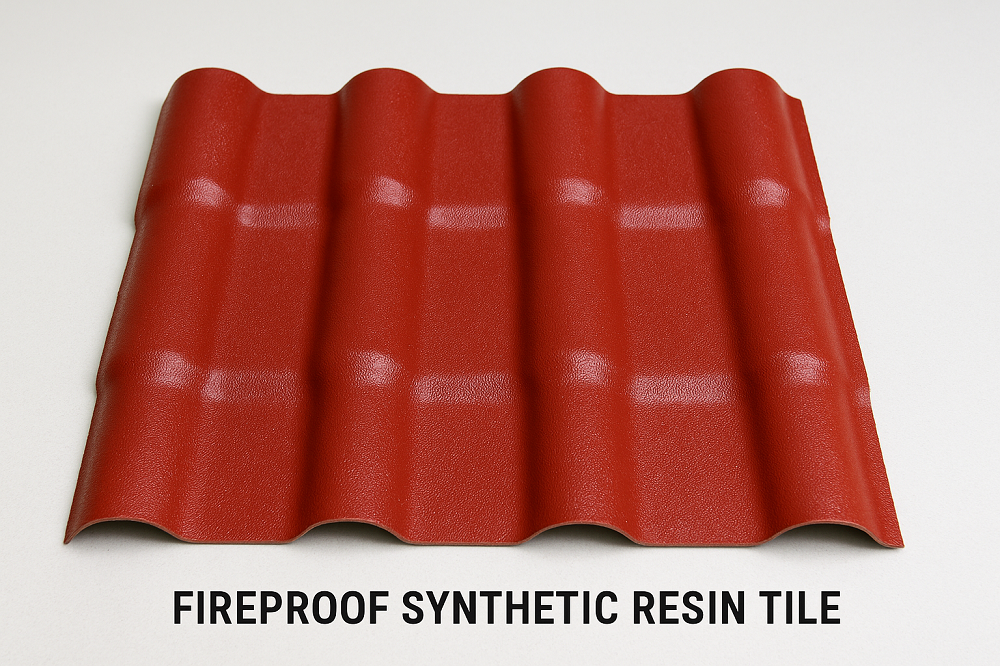
Fireproof Synthetic Resin Tiles vs Traditional Roofing: A Durability Comparison
When it comes to choosing roofing materials, durability is one of the most critical factors to consider. Roofing materials not only need to provide shelter from the elements, but they must also stand the test of time under various environmental conditions. Among the many roofing options available today, Fireproof Synthetic Resin Tiles have emerged as a modern solution that offers superior durability compared to traditional roofing materials. This section will explore the key differences in durability between Fireproof Synthetic Resin Tiles and traditional roofing materials, such as asphalt shingles, clay tiles, and wood, highlighting their strengths and weaknesses.
1. The Durability of Fireproof Synthetic Resin Tiles
Fireproof Synthetic Resin Tiles are engineered with advanced polymers, particularly ASA (Acrylonitrile Styrene Acrylate), which are designed to endure extreme weather conditions. These tiles are known for their superior resistance to heat, UV radiation, moisture, and chemical degradation, making them far more durable than traditional materials.
Heat and UV Resistance
Fireproof Synthetic Resin Tiles are highly resistant to heat, which is one of the most crucial factors for determining a roofing material's durability. In regions with extreme temperatures, conventional roofing materials like asphalt shingles or clay tiles tend to degrade faster under prolonged exposure to the sun and heat. Asphalt shingles, for example, can become brittle and crack, while clay tiles are prone to cracking and becoming porous under intense heat.
Fireproof Synthetic Resin Tiles, on the other hand, have a high thermal stability due to their chemical structure. They are capable of withstanding high temperatures without warping, cracking, or losing their structural integrity. This is a key aspect of their durability, as they maintain their performance even in regions that experience high heat or prolonged sunlight exposure. Additionally, the UV stability of ASA resin ensures that the tiles retain their color and appearance over time, preventing fading or discoloration that is common with traditional roofing materials.
Moisture Resistance
Moisture is another factor that affects the durability of roofing materials. Asphalt shingles, for example, can absorb water over time, leading to the growth of mold and mildew, which weakens the material. Clay tiles, while naturally resistant to water, can crack or break due to freeze-thaw cycles in colder climates. Wooden roofs are particularly vulnerable to moisture damage, as they can rot or warp when exposed to excessive water.
Fireproof Synthetic Resin Tiles, by contrast, are highly resistant to water. The ASA resin used in their construction is hydrophobic, meaning that it repels water and prevents the absorption of moisture. This characteristic helps prevent the growth of mold, mildew, or algae, which can compromise the integrity of traditional roofing materials. Moreover, the tiles' resistance to moisture ensures that they remain strong and stable over time, even in regions with heavy rainfall or high humidity.
Chemical Resistance
Another factor that impacts the durability of roofing materials is exposure to chemicals, such as pollutants, acid rain, or industrial emissions. Asphalt shingles and clay tiles can degrade when exposed to certain chemicals, which can lead to the breakdown of the material's surface, allowing for water infiltration and further deterioration. Wood, as a natural material, is particularly susceptible to chemical damage, including exposure to cleaning agents and pesticides.
Fireproof Synthetic Resin Tiles, however, are highly resistant to chemicals due to the nature of their polymer composition. The ASA resin is impervious to most environmental chemicals, preventing degradation caused by pollutants or acid rain. This makes Fireproof Synthetic Resin Tiles an ideal solution for buildings located in areas with high industrial activity or polluted environments, where traditional roofing materials would likely suffer from accelerated wear and tear.
2. The Durability of Traditional Roofing Materials
Traditional roofing materials such as asphalt shingles, clay tiles, and wood have been used for centuries, but they often come with significant drawbacks in terms of durability.
Asphalt Shingles
Asphalt shingles are one of the most common roofing materials due to their affordability and ease of installation. However, they are not particularly durable when compared to Fireproof Synthetic Resin Tiles. Asphalt shingles are highly vulnerable to heat, which causes them to crack and curl over time. They also tend to degrade when exposed to UV radiation, leading to the loss of granules that protect the roof from the elements. In regions with high heat or extreme temperature fluctuations, asphalt shingles can have a relatively short lifespan, typically ranging from 15 to 30 years.
In addition to their sensitivity to heat and UV radiation, asphalt shingles are also susceptible to moisture damage. Prolonged exposure to rain, snow, and humidity can lead to the growth of moss and algae, which can further degrade the material. Asphalt shingles are also prone to cracking or breaking during heavy storms, particularly under strong winds or hail. This makes them a less durable option when compared to Fireproof Synthetic Resin Tiles, which can withstand a wider range of weather conditions without showing signs of wear.
Clay Tiles
Clay tiles are a popular choice for roofing due to their aesthetic appeal and natural durability. They are particularly well-suited for hot, dry climates, as they can help to regulate the temperature inside a building by providing natural insulation. However, clay tiles are not without their durability concerns. While they are naturally resistant to moisture and rot, they are prone to cracking under extreme weather conditions, especially during freeze-thaw cycles in colder climates.
In areas that experience heavy snow, ice, or freezing temperatures, clay tiles can become brittle and crack when subjected to the expansion and contraction caused by freezing and thawing. This makes them less durable than Fireproof Synthetic Resin Tiles, which are resistant to these temperature fluctuations. Furthermore, clay tiles are heavy and require a strong underlying structure to support their weight, which can add to the cost of installation and maintenance.
Wood
Wooden roofing materials, such as shakes and shingles, offer a rustic and natural appearance, but they come with significant durability issues. Wood is highly susceptible to moisture, and when exposed to water over time, it can rot, warp, or develop mold and mildew. In areas with high humidity or frequent rainfall, wood roofing materials require regular maintenance, including re-sealing or re-staining, to prevent degradation.
In addition to moisture damage, wood is also highly flammable, which makes it a poor choice for fire safety. Even treated wood, which is often coated with flame retardants, can still ignite under extreme conditions. This makes wood roofing materials significantly less durable than Fireproof Synthetic Resin Tiles, which provide superior fire resistance and do not require the same level of maintenance to remain in good condition.
3. Durability in Extreme Weather Conditions
One of the most critical aspects of roofing material durability is how well it can withstand extreme weather conditions. In regions where hailstorms, heavy winds, or wildfires are common, the durability of the roofing material is of paramount importance. Fireproof Synthetic Resin Tiles excel in this area, providing excellent protection against a variety of weather-related challenges.
Hail Resistance
Fireproof Synthetic Resin Tiles are highly resistant to impact damage, including from hail. Their lightweight yet durable construction ensures that they can withstand the impact of hailstones without cracking, denting, or breaking. Traditional materials, such as asphalt shingles and clay tiles, are much more susceptible to hail damage. Asphalt shingles can easily crack or break under the force of hail, while clay tiles can chip or fracture. Wooden shingles are similarly vulnerable to hail, which can cause them to split or become misshapen.
Fireproof Synthetic Resin Tiles' ability to resist hail impact makes them a more durable choice for areas that experience frequent hailstorms, ensuring that the roof remains intact and functional over time.
Wind Resistance
Wind resistance is another critical factor when evaluating roofing material durability. Fireproof Synthetic Resin Tiles are designed to remain securely in place, even during high winds. Their interlocking design helps prevent the tiles from being lifted or dislodged during storms, and the strong polymer composition ensures that they remain stable in the face of gusty conditions.
In contrast, asphalt shingles are more likely to be blown off during severe wind events, leaving the roof vulnerable to leaks and further damage. Clay tiles are heavy but can crack or break under high wind pressure. Wooden shingles, while they may remain intact, can shift or loosen during strong winds, potentially causing long-term damage to the roof structure.
Fire Resistance
Perhaps the most significant advantage Fireproof Synthetic Resin Tiles offer over traditional materials is their fire resistance. Asphalt shingles and wood are highly flammable, making them a significant fire risk, particularly in areas prone to wildfires. Clay tiles, while not flammable, are susceptible to cracking or shattering when exposed to extreme heat or fire. Fireproof Synthetic Resin Tiles, however, provide an added layer of protection by preventing ignition and slowing the spread of flames. This makes them the most durable option for buildings located in fire-prone areas, where fire resistance is a top priority.
How Fireproof Synthetic Resin Tiles Improve Structural Safety in Fire-Prone Areas
In regions that are susceptible to wildfires or other fire hazards, the safety of buildings and their occupants is of paramount importance. Roofing materials play a critical role in enhancing the structural safety of buildings, particularly in fire-prone areas. Fireproof Synthetic Resin Tiles have gained significant attention as an advanced roofing solution that improves fire safety and overall building integrity. These tiles, made from high-performance synthetic materials, are designed to withstand the extreme conditions associated with fires, providing a crucial layer of protection for buildings in high-risk areas. This section will explore how Fireproof Synthetic Resin Tiles contribute to improving structural safety by preventing fire spread, providing heat insulation, offering impact resistance, and ensuring long-term durability in fire-prone environments.
1. Preventing the Spread of Fire: A Barrier Between Flames and Structure
One of the primary roles of any roofing material is to act as a barrier that prevents the spread of fire from one part of a structure to another. In fire-prone areas, where external fires such as wildfires pose significant threats to buildings, roofing materials that can withstand fire and prevent it from spreading are crucial.
How Fireproof Synthetic Resin Tiles Prevent Fire Spread
Fireproof Synthetic Resin Tiles are specifically engineered to prevent the rapid spread of fire, which can be devastating in the event of an external fire. These tiles are manufactured with flame-retardant materials, and their structure is designed to resist ignition, slow down combustion, and contain the spread of flames across the roof.
When exposed to heat or direct flames, Fireproof Synthetic Resin Tiles undergo a process called “intumescence,” which involves the formation of a protective layer on the surface of the material. This layer insulates the tile from further heat exposure, effectively sealing the tile from the flame. By preventing the fire from penetrating the tile, Fireproof Synthetic Resin Tiles act as a physical barrier, stopping the fire from reaching other parts of the building. This is particularly important in wildfire-prone regions, where flying embers can ignite roofing materials and spread the fire rapidly across large areas.
Traditional roofing materials, such as asphalt shingles, wood, and even clay tiles, are far more susceptible to fire spread. Asphalt shingles and wood are highly flammable, and once they catch fire, they burn quickly, allowing the flames to travel across the roof and enter the building’s structure. Even clay tiles, though non-flammable, can crack under intense heat, potentially allowing fire to enter the building through the roof. In contrast, Fireproof Synthetic Resin Tiles retain their integrity under fire conditions, ensuring that the fire remains contained.
Wind-Blown Embers and Their Impact on Fire Spread
In many wildfire events, wind plays a significant role in carrying embers over long distances. These embers can land on roofing materials and ignite fires that spread rapidly. Fireproof Synthetic Resin Tiles are designed to prevent embers from penetrating the roof structure. Their smooth, non-porous surface reduces the likelihood that embers will become lodged in gaps or crevices, further enhancing the roof’s ability to prevent fire spread.
By providing a secure, flame-resistant roofing option, Fireproof Synthetic Resin Tiles not only help to safeguard the building from direct fire exposure but also reduce the risk of secondary fires caused by wind-blown embers.
2. Heat Insulation and Temperature Regulation: Protecting the Structural Integrity
While Fireproof Synthetic Resin Tiles excel at preventing fire from spreading, they also contribute to a building’s structural safety by providing excellent heat insulation. Roofs are subjected to significant temperature fluctuations, especially in fire-prone areas where extreme heat conditions can be exacerbated by dry weather and fires. The ability of roofing materials to withstand intense heat without losing their structural integrity is essential to maintaining the safety of the building.
Thermal Resistance of Fireproof Synthetic Resin Tiles
Fireproof Synthetic Resin Tiles are highly resistant to thermal degradation. When exposed to extreme heat, these tiles do not warp, crack, or degrade like other materials, such as asphalt shingles, wood, or even some metal roofing systems. The high thermal stability of Fireproof Synthetic Resin Tiles ensures that they can maintain their form and functionality even in the most challenging conditions. This ability to withstand heat is crucial in fire-prone areas, where roofs may be exposed to high temperatures from nearby wildfires.
When a fire occurs near a building, the heat generated can easily exceed 1,000°F (537°C). Traditional roofing materials may begin to soften, crack, or burn at these temperatures, weakening the roof structure and increasing the likelihood of fire penetration into the building. Fireproof Synthetic Resin Tiles, however, are designed to maintain their integrity at temperatures far above typical fire conditions. Their ability to resist thermal degradation ensures that the roof remains intact, even in the face of extreme heat, thus preserving the structural integrity of the entire building.
Preventing Structural Collapse
In addition to preventing fire penetration, Fireproof Synthetic Resin Tiles also help to prevent the collapse of the roof structure. Many traditional roofing materials, such as wood or asphalt, lose their strength and structural integrity when exposed to high temperatures, making them prone to sagging, warping, or even complete collapse. The weight of a collapsing roof can cause significant damage to the building’s framework and increase the risk of injury to occupants.
Fireproof Synthetic Resin Tiles, being lightweight and thermally stable, are less likely to cause such issues. They maintain their structural strength even under intense heat, reducing the risk of roof collapse. This property is particularly important in fire-prone areas, where rapid response times during fire events may not always be possible, and protecting the integrity of the structure is critical for safety.
3. Impact Resistance: Protecting Against Fire-Related Debris and Falling Objects
In fire-prone areas, buildings often face additional risks from falling debris, such as branches, rocks, or other materials that can be dislodged during a wildfire or intense heat event. These falling objects can damage roofs and cause structural vulnerabilities. Impact resistance is therefore a key factor in ensuring the structural safety of a building in fire-prone areas.
How Fireproof Synthetic Resin Tiles Offer Impact Resistance
Fireproof Synthetic Resin Tiles are engineered to be highly impact-resistant. Their composition, which includes a combination of synthetic resins and flame-retardant materials, allows them to absorb impact without cracking or breaking. This is particularly important in fire-prone areas where flying debris, such as tree branches or rocks, can cause significant damage to roofing materials.
Traditional roofing materials, such as asphalt shingles or wood, are much more vulnerable to impact damage. Asphalt shingles are brittle and can crack under pressure, while wood is prone to splintering or breaking when struck by falling debris. Even clay tiles, which are generally strong, can crack or break upon impact, potentially leaving the building vulnerable to fire and water penetration.
Fireproof Synthetic Resin Tiles, by contrast, maintain their integrity under impact, preventing cracks or breaks that could allow fire or water to enter the building. Their resilience to impact ensures that the roofing material remains intact, even when subjected to external pressures, thus preserving the overall structural safety of the building.
Protection Against Flying Embers and Wind-Borne Debris
In addition to preventing fire from entering the building, Fireproof Synthetic Resin Tiles offer an extra layer of protection against flying embers and debris, which are often responsible for igniting roofs during wildfire events. These tiles’ ability to remain intact and maintain their structure under extreme conditions ensures that the building remains shielded from external threats, including falling embers and debris that might otherwise penetrate the roof.
4. Long-Term Durability and Maintenance-Free Performance
Fireproof Synthetic Resin Tiles are not only effective at preventing fire and heat damage, but they are also highly durable and low-maintenance, which contributes to the long-term safety of the building structure. In fire-prone areas, the regular maintenance of roofing materials is crucial, as deteriorating roofs can increase the risk of fire penetration and compromise structural safety. However, Fireproof Synthetic Resin Tiles require minimal maintenance, making them a highly effective solution for maintaining building safety over time.
Resistance to Environmental Factors
In addition to fire and heat resistance, Fireproof Synthetic Resin Tiles are resistant to other environmental factors that can degrade roofing materials over time. For example, these tiles are impervious to moisture, UV radiation, and chemical exposure, ensuring that they retain their strength and appearance even after years of exposure to harsh environmental conditions.
While traditional roofing materials may require frequent repairs, such as re-sealing or replacing damaged shingles, Fireproof Synthetic Resin Tiles maintain their performance without the need for constant maintenance. This reduces the likelihood of roofing failures that could compromise the building’s fire resistance, ensuring that the structure remains safe and secure over its lifespan.
The Impact of Fireproof Synthetic Resin Tiles on Long-Term Roof Durability
Roof durability is a critical consideration in construction, as the roof plays a central role in protecting the building and its occupants from environmental elements. Over time, the roofing material must endure extreme weather conditions, including high heat, heavy rainfall, snow, strong winds, and even exposure to fire. As climate patterns change and fire risks increase, roofing materials with superior durability, such as Fireproof Synthetic Resin Tiles, have gained increasing importance. These tiles not only provide excellent protection from fire but also significantly enhance the long-term durability of the roof structure. This section will explore how Fireproof Synthetic Resin Tiles contribute to roof durability by resisting environmental factors, reducing the need for maintenance, and ensuring the roof's structural integrity over time.
1. Resistance to Heat and Temperature Fluctuations
Roofing materials are constantly exposed to temperature fluctuations, from the intense heat of summer to the freezing cold of winter. Such temperature variations can cause materials to expand and contract, which can lead to cracking, warping, and other forms of damage. Traditional roofing materials, such as asphalt shingles and wood, are particularly vulnerable to these temperature fluctuations and may suffer from structural degradation over time.
Heat Resistance of Fireproof Synthetic Resin Tiles
Fireproof Synthetic Resin Tiles are specifically designed to withstand extreme temperatures without degrading or losing their structural integrity. The ASA (Acrylonitrile Styrene Acrylate) resin used in these tiles is a high-performance polymer known for its excellent thermal stability. This material does not soften, warp, or degrade under high heat, ensuring that the roof remains intact even when exposed to prolonged periods of high temperatures.
In addition to high heat resistance, Fireproof Synthetic Resin Tiles also perform well in cooler temperatures. The tiles are engineered to handle freezing conditions without becoming brittle or cracking. This is especially important in regions that experience freeze-thaw cycles, as the expansion and contraction caused by temperature changes can cause traditional roofing materials to crack and degrade. In contrast, Fireproof Synthetic Resin Tiles maintain their durability throughout the year, regardless of seasonal temperature variations.
Long-Term Durability Under Heat Exposure
The long-term performance of roofing materials exposed to heat is an important factor in determining overall roof durability. While asphalt shingles and other traditional materials tend to degrade over time due to UV exposure and high temperatures, Fireproof Synthetic Resin Tiles retain their strength and appearance for decades. The UV-resistant properties of ASA resin ensure that the tiles do not fade or degrade under direct sunlight, which can cause traditional materials to deteriorate and require frequent replacement or maintenance.
In fire-prone areas, where extreme heat from nearby fires can place significant stress on roofing materials, Fireproof Synthetic Resin Tiles provide a reliable barrier against fire-related heat. These tiles are designed to endure even the most intense heat without losing their effectiveness, making them an ideal choice for enhancing roof durability in fire-prone regions.
2. Resistance to Moisture and Water Damage
Moisture is one of the most common causes of roof deterioration. Rain, snow, and humidity can cause materials to rot, warp, and break down over time. In colder climates, the freeze-thaw cycle further exacerbates the effects of moisture, causing materials to expand and contract, leading to cracks and leaks. Roofing materials that absorb moisture can also support the growth of mold, mildew, and algae, which not only damage the roof but also contribute to health hazards.
Water Resistance of Fireproof Synthetic Resin Tiles
One of the key advantages of Fireproof Synthetic Resin Tiles is their exceptional resistance to moisture. Unlike traditional roofing materials like asphalt shingles and wood, which can absorb water and suffer from long-term water damage, Fireproof Synthetic Resin Tiles are designed to repel water. The hydrophobic nature of ASA resin prevents water from penetrating the material, ensuring that the tiles remain stable and unaffected by rain, snow, or humidity.
This resistance to moisture not only prevents water damage but also helps to avoid the growth of mold, mildew, and algae, which are common problems for traditional roofing materials. Mold and mildew can lead to further degradation of the roofing material, as well as create unpleasant odors and health concerns. In contrast, Fireproof Synthetic Resin Tiles maintain a dry surface, free from the growth of harmful microorganisms.
Freeze-Thaw Resistance
In areas with harsh winters, the freeze-thaw cycle can cause significant damage to roofing materials. When water infiltrates cracks in the roof, it expands when frozen and contracts when thawed, putting immense stress on the material. This repeated expansion and contraction can cause traditional roofing materials like asphalt shingles and wood to crack, warp, or lose their structural integrity over time.
Fireproof Synthetic Resin Tiles are highly resistant to freeze-thaw cycles. The ASA resin used in these tiles does not absorb water, which prevents the expansion and contraction caused by freezing and thawing. This makes them ideal for use in regions that experience freezing temperatures, as they do not suffer the same water-related damage as other roofing materials.
3. UV and Weather Resistance
Roofing materials are continuously exposed to the elements, including sunlight, wind, rain, and extreme temperatures. Over time, exposure to ultraviolet (UV) radiation from the sun can cause traditional materials, such as asphalt shingles and wood, to degrade. This degradation often leads to discoloration, brittleness, and reduced performance. The impact of UV radiation on roofing materials can also reduce their lifespan, leading to the need for early replacement or repairs.
UV Resistance of Fireproof Synthetic Resin Tiles
Fireproof Synthetic Resin Tiles are made with ASA resin, which offers excellent UV stability. The polymer's chemical structure is highly resistant to the degrading effects of UV radiation, ensuring that the tiles retain their color, strength, and appearance for decades. Unlike traditional roofing materials, which can fade, crack, or become brittle due to UV exposure, Fireproof Synthetic Resin Tiles maintain their integrity over time, even in regions with intense sunlight.
This UV resistance also contributes to the long-term durability of the tiles. The tiles do not require frequent re-coating or maintenance to protect against UV damage, reducing the overall maintenance costs associated with traditional roofing materials.
Wind Resistance and Storm Protection
In addition to UV radiation, roofing materials must also withstand wind and storm damage. High winds and severe storms can dislodge or damage roofing materials, especially if they are not properly installed or if they have degraded over time. Fireproof Synthetic Resin Tiles are designed to be highly wind-resistant, with an interlocking system that ensures a secure fit and reduces the risk of tiles being blown off during strong winds. The lightweight yet durable design of these tiles also helps to prevent damage caused by flying debris during storms.
Traditional materials, such as asphalt shingles, are more susceptible to wind damage, as they are heavier and less flexible. Shingles can lift or crack under high winds, leaving the roof vulnerable to water infiltration and further damage. In contrast, Fireproof Synthetic Resin Tiles provide superior protection against wind and storms, ensuring that the roof remains intact and durable even in severe weather conditions.
4. Long-Term Cost Savings and Maintenance Reduction
The durability of Fireproof Synthetic Resin Tiles not only contributes to the roof's ability to withstand environmental stressors but also leads to significant long-term cost savings. Traditional roofing materials often require frequent repairs or replacements due to their susceptibility to weather damage, UV degradation, and moisture infiltration. This ongoing maintenance can be costly and time-consuming for building owners, especially when the roof needs to be replaced entirely.
Low Maintenance Requirements of Fireproof Synthetic Resin Tiles
One of the most significant advantages of Fireproof Synthetic Resin Tiles is their low maintenance requirements. Due to their resistance to heat, moisture, UV radiation, and impact, these tiles require minimal upkeep compared to traditional roofing materials. Traditional materials like asphalt shingles or wood may need to be regularly inspected, cleaned, or treated to prevent damage from mold, algae, or UV exposure. Fireproof Synthetic Resin Tiles, however, maintain their performance over time, reducing the need for costly repairs or replacements.
This reduction in maintenance not only saves money but also ensures that the roof remains functional and safe for a much longer period. Building owners can avoid the hassle of frequent roofing repairs, which can be particularly costly in areas with harsh climates.
Increased Lifespan of the Roof
The exceptional durability of Fireproof Synthetic Resin Tiles significantly increases the lifespan of the roof. While traditional roofing materials may need to be replaced every 15 to 30 years, Fireproof Synthetic Resin Tiles can last 50 years or more with minimal maintenance. This extended lifespan means that building owners can make a one-time investment in high-quality roofing that provides long-lasting protection and reduces the need for future replacements.
The extended lifespan of these tiles not only provides peace of mind but also adds to the overall value of the property. Buildings with durable, fire-resistant roofs are more attractive to potential buyers, as they offer greater protection and reduced long-term costs.