 English
 Français
Content
- 1 What Is Synthetic Resin Tile Used For, and Which Buildings Is It Best Suited To?
- 2 Core Applications of Synthetic Resin Tile
- 3 Which Building Types Are Best Suited to Resin Roof Tiles
- 4 Performance Characteristics That Drive These Applications
- 5 Situations Where Synthetic Resin Tile Is Not the Ideal Choice
- 6 Practical Buying Considerations
- 7 Summary
Roofing Materials — Editorial Guide
What Is Synthetic Resin Tile Used For, and Which Buildings Is It Best Suited To?
A lightweight, weather-resistant material once reserved for niche projects has quietly become one of the most practical roofing choices of the decade — here is where it belongs, and where it doesn't.
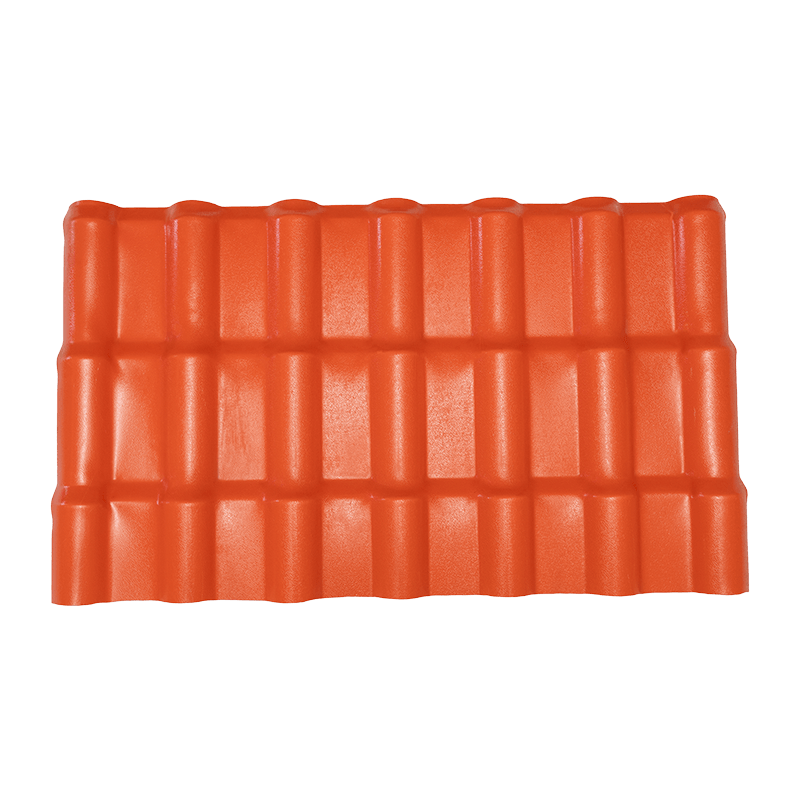
Synthetic resin tile is primarily used as a lightweight, weather-resistant roofing material for residential homes, agricultural buildings, commercial warehouses, and renovation projects where durability and low maintenance matter more than upfront cost. Made from a combination of resin and reinforcing materials such as ASA or PVC compounds, resin roof tiles are engineered to resist UV degradation, corrosion, and impact damage far better than traditional asphalt shingles or clay tiles.
They are best suited to buildings that require long-term protection against harsh climates, including coastal properties exposed to salt air, rural structures facing heavy rain, and sloped roofs where reduced structural load is an advantage. Below, this guide breaks down exactly which building types benefit most, how the material performs under different environmental conditions, and what should guide a purchasing decision.
Core Applications of Synthetic Resin Tile
Synthetic resin tile serves as a roofing solution across a wide range of building categories. Its versatility comes from a manufacturing process that combines synthetic resins with UV stabilizers and color pigments, producing a tile that maintains structural integrity even after years of direct sun exposure.
Residential Roofing
Homeowners frequently choose resin roof tiles for pitched roofs because the material mimics the appearance of clay or slate tile while weighing significantly less. This reduces the load on roof trusses and can lower construction costs on new builds.
Agricultural and Industrial Structures
Barns, livestock shelters, and storage warehouses benefit from synthetic resin tile because it resists chemical exposure from fertilizers and animal waste, and it does not rust the way metal roofing can over time.
Commercial and Renovation Projects
Property managers often specify resin roof tiles for renovation work because the tiles can typically be installed over existing roof structures with minimal reinforcement, cutting down on labor time compared to full tear-off replacements.
Which Building Types Are Best Suited to Resin Roof Tiles
Not every structure gains the same benefit from synthetic resin tile. The table below outlines building types and the specific advantages resin tile offers for each.
| Building Type | Primary Benefit | Typical Roof Pitch |
|---|---|---|
| Coastal residential homes | Salt and corrosion resistance | 20° – 45° |
| Agricultural barns | Chemical and moisture resistance | 10° – 30° |
| Warehouses and industrial sheds | Low weight, reduced structural load | 5° – 20° |
| Renovated historic homes | Aesthetic match at lower weight | 25° – 50° |
| Cold-climate cabins | Freeze-thaw and snow load resistance | 30° – 45° |
Performance Characteristics That Drive These Applications
The reason synthetic resin tile fits so many building types comes down to measurable performance characteristics rather than appearance alone.
Weight and Structural Load
A typical resin roof tile weighs between 4 and 6 kilograms per square meter, compared to 40–50 kilograms per square meter for clay tile. This weight difference allows builders to use lighter roof trusses, which is particularly valuable for renovation projects where the existing structure cannot support added load.
A lighter roof is not a compromise — for renovation work, it is often the deciding factor between a feasible project and a structural rebuild.
UV and Weather Resistance
Quality resin roof tiles are formulated with UV-stabilized resin layers that resist color fading and surface chalking for 15 to 30 years depending on the manufacturer and climate exposure, making synthetic resin tile a practical choice for regions with intense sun exposure or frequent temperature swings.
Impact and Load Resistance
Synthetic resin tile is engineered to withstand hail impact and moderate foot traffic during installation and maintenance without cracking, a common issue with brittle clay or concrete alternatives.
Situations Where Synthetic Resin Tile Is Not the Ideal Choice
While synthetic resin tile suits many buildings, it is not universally the best option. Buyers should weigh the following limitations before choosing this material.
Synthetic resin tile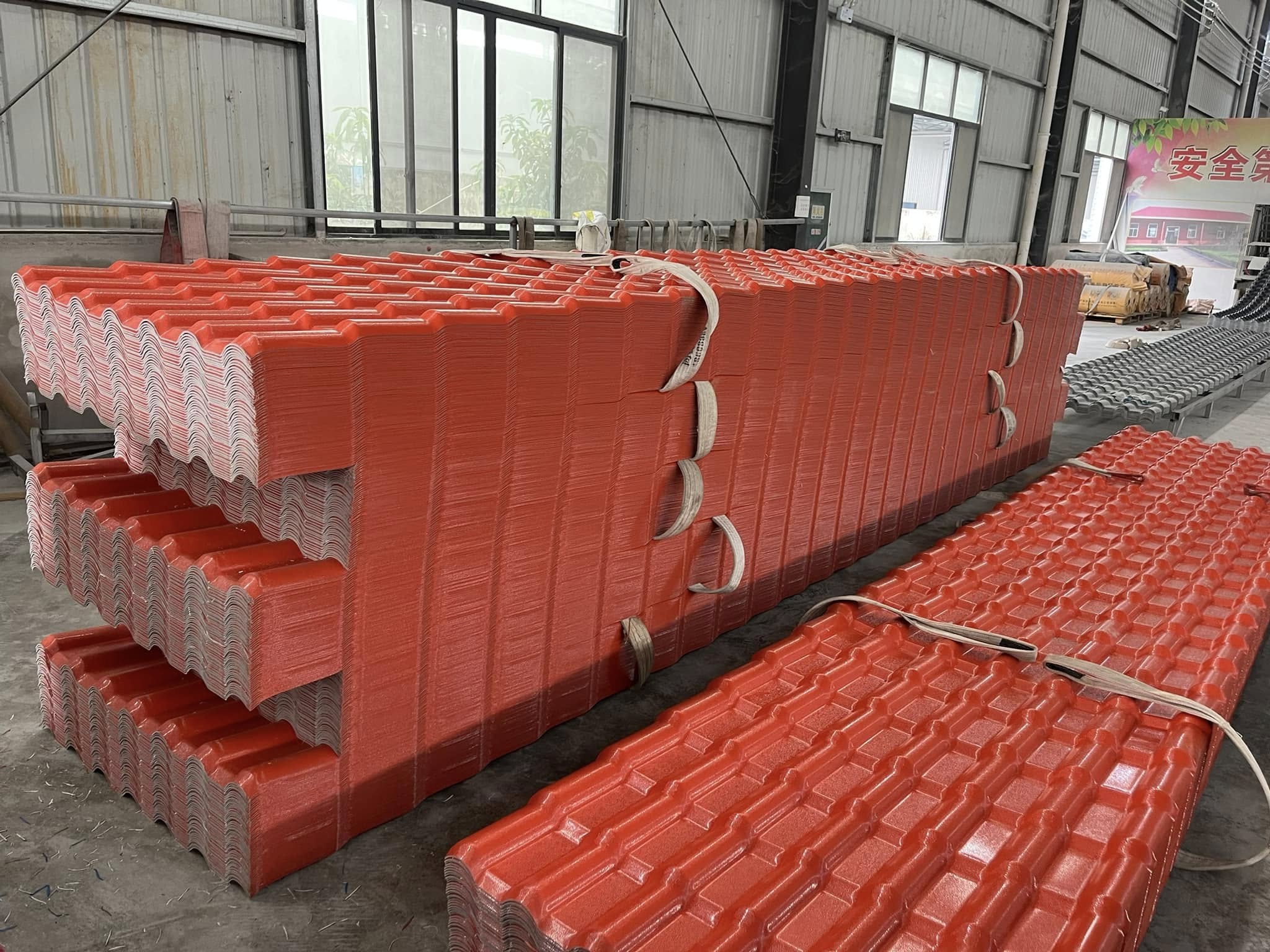
- Extremely high-heat industrial environments where surface temperatures regularly exceed the resin's thermal tolerance
- Historic preservation projects with strict material-authenticity requirements that mandate natural clay or slate
- Buildings with extremely low roof pitches below 5 degrees, where flat membrane roofing is generally more effective
- Projects with very tight budgets where basic asphalt shingle remains the lower initial-cost option
Warning
Installing resin roof tiles on pitches below 5 degrees can lead to water pooling and premature seam failure — confirm minimum pitch requirements with the manufacturer before specifying.
Practical Buying Considerations
Before selecting synthetic resin tile for a project, it helps to evaluate a few practical factors that affect both performance and long-term value.
Climate Matching
Buyers in coastal or high-humidity regions should prioritize resin roof tiles with reinforced anti-corrosion coatings, while buyers in cold climates should confirm the product's low-temperature flexibility rating to avoid brittleness during winter.
Info
Most resin roof tile manufacturers publish a low-temperature flexibility rating separately from their standard product spec sheet — it is worth requesting directly.
Installation Compatibility
Because synthetic resin tile is lightweight, it is often compatible with existing roof battens, reducing labor costs during both new construction and renovation projects.
Success
Compatibility with existing battens is one of the main reasons renovation timelines using synthetic resin tile run shorter than full roof replacements.
Warranty and Lifespan Expectations
Most manufacturers offer warranties ranging from 10 to 20 years, and buyers should confirm whether the warranty covers color fading, structural cracking, or both, since these failure modes are evaluated differently by most suppliers.
Danger
A warranty that covers only material defects — and excludes fading or cracking — offers far less protection than it appears to on paper. Read the exclusions closely.
Summary
Synthetic resin tile is best suited to residential homes, agricultural buildings, warehouses, and renovation projects that need a lightweight, corrosion-resistant, and long-lasting roofing solution. Buildings in coastal, agricultural, or variable-climate settings tend to benefit most from resin roof tiles, while extremely high-heat industrial sites or strict historic-preservation projects may require alternative materials. Evaluating climate conditions, structural load limits, and warranty terms will help buyers determine whether synthetic resin tile is the right fit for a specific building.