 English
 Français
Content
- 1 The Many Faces of PVC Tile
- 1.1 Wood-Look PVC Tiles: Realistic Grain Without the Maintenance
- 1.2 Stone-Look and Marble-Look PVC Tiles
- 1.3 Geometric Patterns and Decorative Tile Designs
- 1.4 Solid Colors and Minimalist Designs
- 1.5 Design Options for PVC Ceiling Tiles
- 1.6 Design and Color Choices for PVC Roof Tiles
- 1.7 Surface Textures and Finishes That Enhance Design
- 1.8 How to Choose the Right PVC Tile Design for Your Project
Interior Materials — Design Guide
The Many Faces of PVC Tile
From weathered oak to veined marble, from ceiling coffers to terracotta roofs — how a single material learned to imitate almost everything.
PVC tiles are available in an extremely wide range of designs, including wood-look, stone-look, marble-look, geometric patterns, solid colors, and textured 3D finishes. Manufacturers use high-definition printing technology combined with embossed surface textures to replicate the visual and tactile qualities of natural materials at a fraction of the cost.
Beyond flooring, this same design flexibility extends to pvc ceiling tiles and pvc roof tiles, which are now produced in decorative patterns, faux-wood beams, coffered designs, and colored finishes that were once exclusive to traditional building materials. Whether you are renovating a home, outfitting a commercial space, or designing an outdoor structure, PVC tile products offer more design versatility than almost any other budget-friendly building material on the market today.
In the sections below, we break down the specific design categories, explain how each is manufactured, and offer practical guidance on choosing the right option for your project.
Wood-Look PVC Tiles: Realistic Grain Without the Maintenance
Wood-look PVC tiles remain one of the most popular design categories because they deliver the warmth of hardwood flooring without the sensitivity to moisture, scratching, or temperature swings. Modern printing technology uses high-resolution digital imaging to reproduce authentic wood grain patterns, knots, and color variation, so no two planks look artificially repetitive.
pvc roof tiles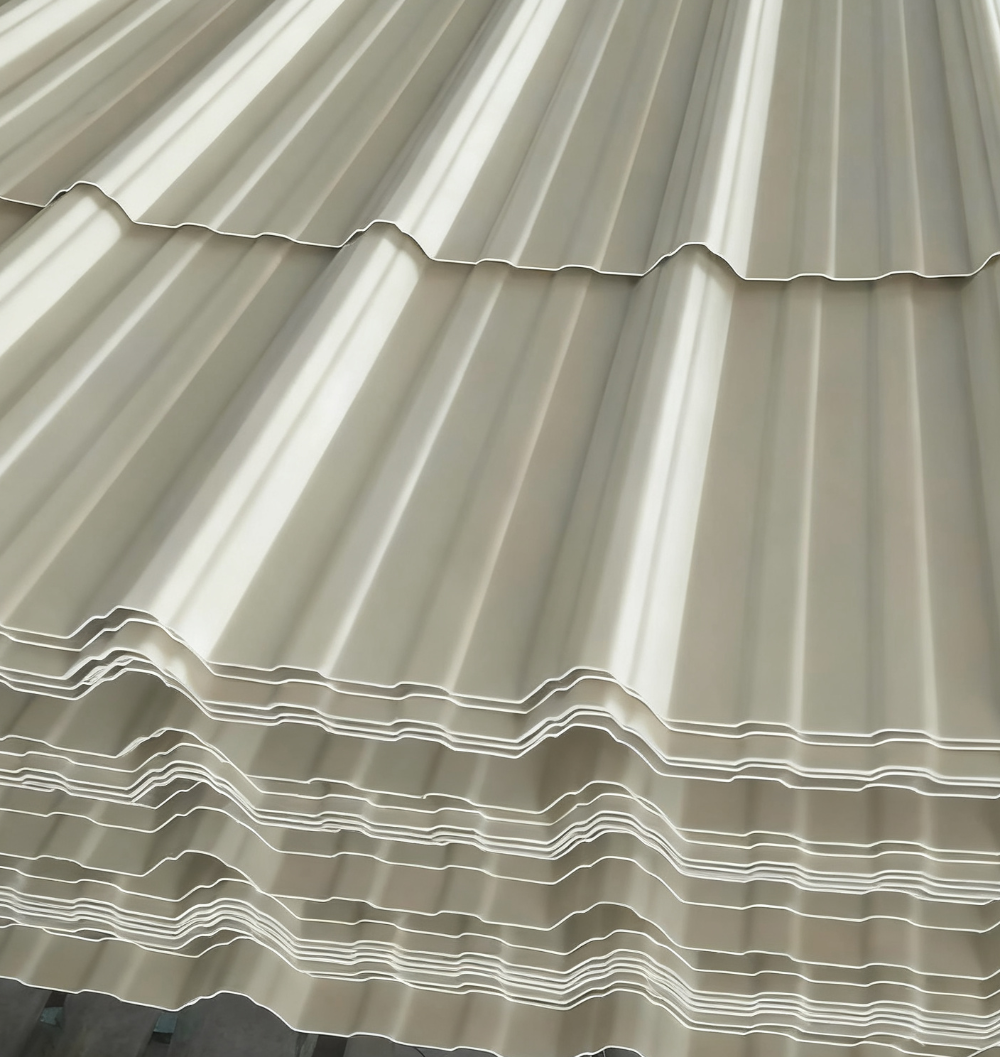
Common Wood-Look Finishes
- Oak and white oak, offering light, neutral tones suited to Scandinavian-style interiors
- Walnut and mahogany, providing deep, rich browns for traditional or formal spaces
- Reclaimed or weathered wood, which mimics distressed barnwood for rustic aesthetics
- Gray-washed wood tones, popular in modern farmhouse and industrial design schemes
Beyond color, embossed texturing adds a physical wood-grain feel underfoot, which improves realism significantly compared to flat, glossy vinyl alternatives. Many wood-look PVC tiles also include beveled edges that create the illusion of individual planks, further enhancing authenticity.
Stone-Look and Marble-Look PVC Tiles
Stone and marble-look PVC tiles are designed to replicate the veining, texture, and color depth of natural stone surfaces such as travertine, slate, granite, and Carrara marble. These designs are particularly popular in bathrooms, kitchens, and commercial lobbies, where the look of stone is desired but the cost and weight of real stone are impractical.
Why Stone-Look Designs Are Growing in Popularity
Natural stone flooring can cost three to five times more than PVC alternatives once material and installation are combined. Stone-look PVC tiles close that gap dramatically while offering better slip resistance, since manufacturers can engineer surface texture specifically for traction rather than relying solely on natural stone finishing.
| Design Style | Typical Color Range | Best Suited Rooms |
|---|---|---|
| Travertine-look | Beige, cream, tan | Bathrooms, patios |
| Slate-look | Charcoal, dark gray | Entryways, mudrooms |
| Marble-look | White with gray/gold veining | Lobbies, bathrooms |
| Granite-look | Speckled gray, black, brown | Kitchens, offices |
Geometric Patterns and Decorative Tile Designs
For homeowners and designers who want a bolder statement, PVC tiles are also produced in geometric and decorative patterns that go beyond simple material replication. These include hexagon shapes, herringbone layouts, chevron patterns, and Moroccan-inspired motifs.
Popular Pattern Categories
- Herringbone and chevron layouts, which create visual movement and are popular in entryways
- Hexagonal tile shapes, often used to add a modern, artistic accent to a room
- Encaustic-style prints, which replicate hand-painted Spanish or Moroccan cement tiles
- Terrazzo-style speckled patterns, currently trending in commercial and retail interiors
Because PVC tiles are manufactured through digital printing rather than hand-cutting or hand-painting, complex patterns that would be labor-intensive and expensive in real stone or cement can be reproduced consistently and affordably across large areas.
Solid Colors and Minimalist Designs
Not every project calls for a patterned or textured finish. Solid-color PVC tiles remain a staple choice for commercial flooring, gyms, healthcare facilities, and modern minimalist interiors. These tiles are typically available in a broad palette that includes neutral tones like white, gray, and beige, as well as bold accent colors such as red, blue, and green for spaces that require visual zoning or branding.
Solid-color tiles are especially practical in facilities where color-coding is used for safety or wayfinding purposes, such as warehouses or hospitals, since consistent, uninterrupted color makes markings and boundaries easier to identify.
Design Options for PVC Ceiling Tiles
Design flexibility is not limited to flooring. PVC ceiling tiles have become a popular alternative to traditional plaster or mineral fiber ceiling panels, largely because they offer similar decorative variety while being lightweight, moisture-resistant, and easy to install.
Popular Ceiling Tile Styles
- Coffered and embossed panel designs that mimic traditional plaster molding
- Faux tin-look tiles with metallic finishes for vintage or industrial aesthetics
- Smooth matte-white panels for a clean, contemporary look in offices and retail spaces
- Wood-grain ceiling panels that coordinate with wood-look flooring for a cohesive interior
Because PVC ceiling tiles are typically produced in standardized modular sizes, they can be mixed and matched with grid systems to create custom layouts, and many products are pre-finished so no painting is required after installation. This makes them a practical choice for commercial renovations where downtime needs to be minimized.
Design and Color Choices for PVC Roof Tiles
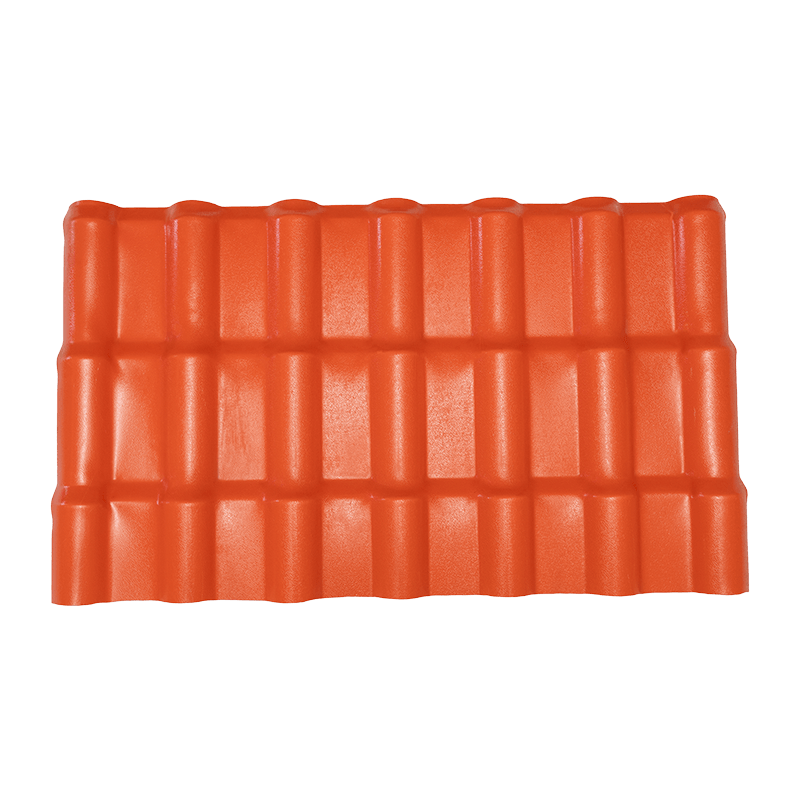
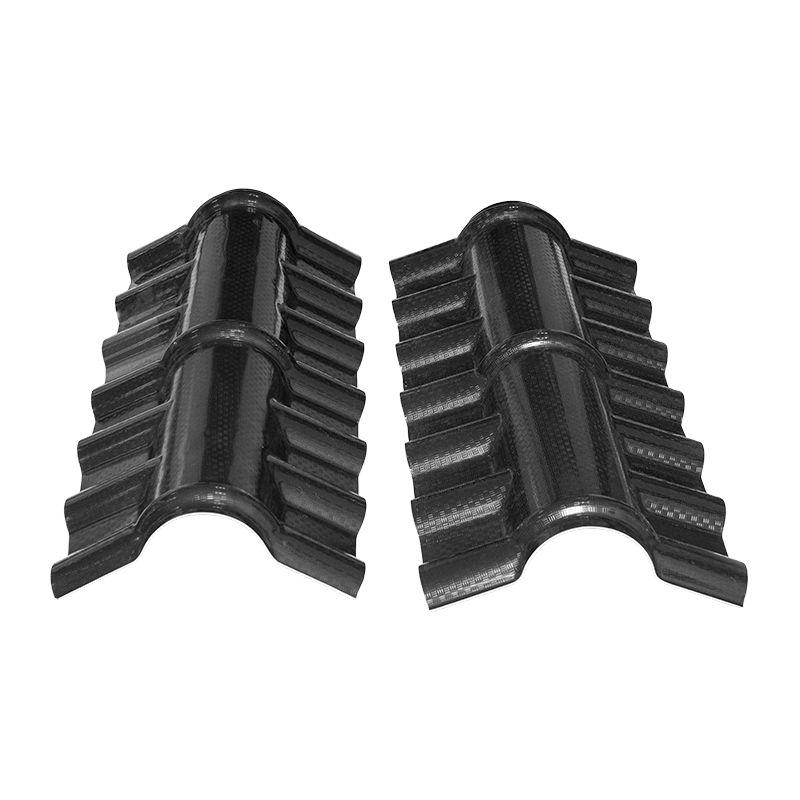
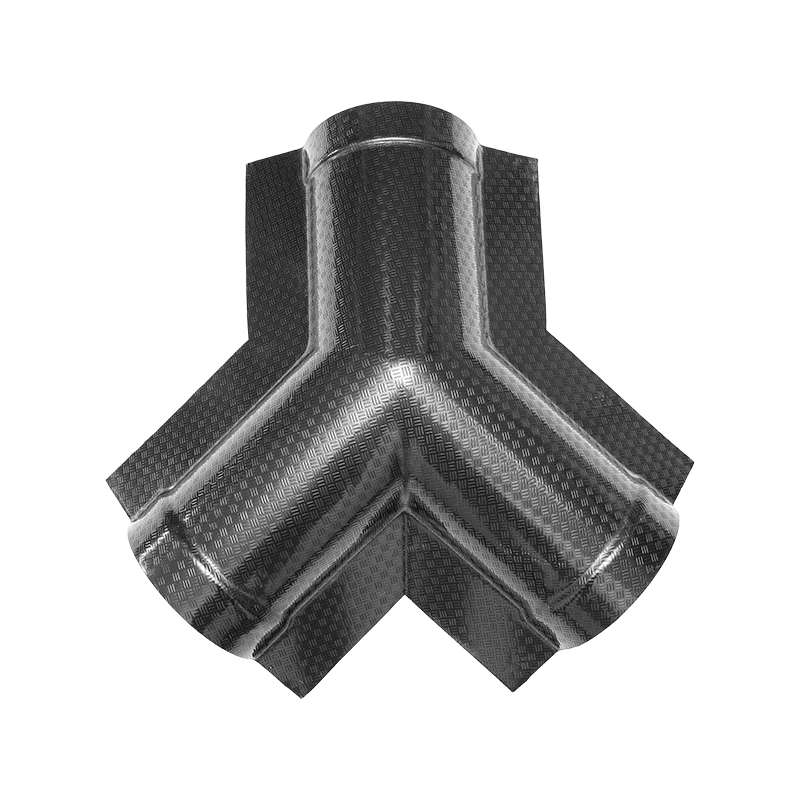
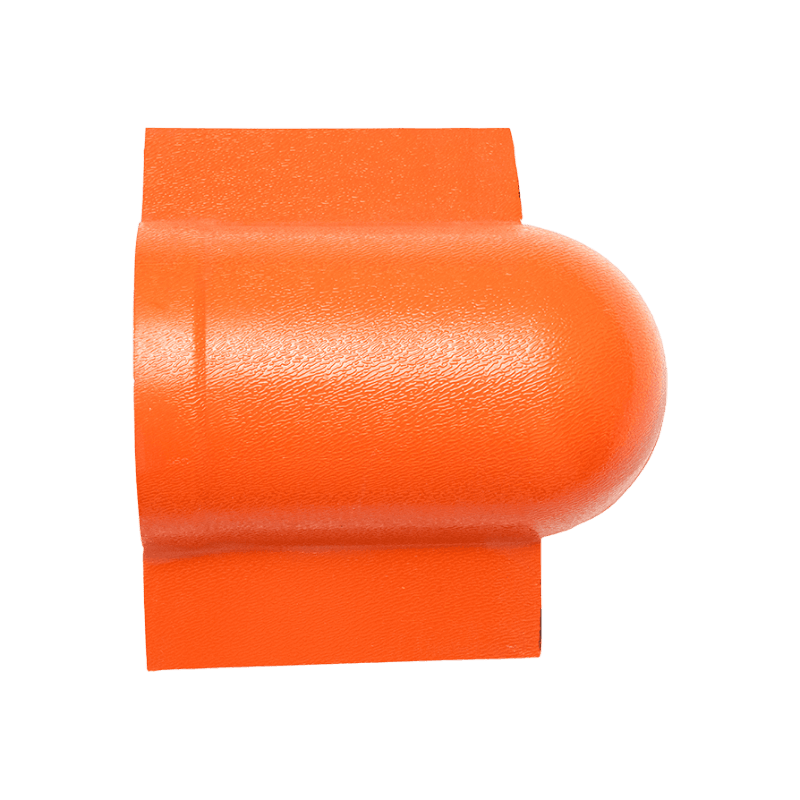
On the exterior side, pvc roof tiles have also expanded well beyond the basic corrugated gray or beige panels traditionally associated with synthetic roofing. Today's PVC roof tile products are engineered to replicate the appearance of clay tile, slate shingles, and traditional asphalt shingles, while offering the lighter weight and lower maintenance requirements associated with PVC materials.
Common Roofing Design Categories
| Roof Tile Style | Available Colors | Typical Building Type |
|---|---|---|
| Spanish clay-look | Terracotta, brick red | Mediterranean-style homes |
| Slate-look | Charcoal, blue-gray | Traditional residential roofs |
| Corrugated panel | Green, gray, tan | Warehouses, agricultural buildings |
| Shingle-look | Brown, black, weathered gray | Suburban residential homes |
Color retention is an important factor for exterior applications, since roofing is constantly exposed to UV rays. Higher-quality PVC roof tiles use UV-stabilized pigments that resist fading, with some manufacturers reporting color stability guarantees of 10 to 15 years under normal weather exposure.
Surface Textures and Finishes That Enhance Design
Color and pattern are only part of the design equation. Surface texture and finish significantly affect how a PVC tile looks and performs in real-world conditions.
Finish Types to Consider
- Matte finishes, which reduce glare and are popular for modern residential interiors
- Glossy finishes, which reflect more light and can make small rooms appear larger
- Embossed textures, which add tactile realism to wood- and stone-look designs
- Textured anti-slip finishes, commonly specified for bathrooms, kitchens, and commercial kitchens
Choosing the right finish is not purely aesthetic. A high-gloss finish, for example, can show scuff marks more readily than a matte finish, making it less ideal for high-traffic commercial corridors.
How to Choose the Right PVC Tile Design for Your Project
With so many design options available, selecting the right PVC tile comes down to balancing aesthetics with function. Consider the following practical guidelines.
Practical Selection Tips
- Match the tile design to the room's lighting; darker stone-look tiles work well in bright, naturally lit spaces
- Choose textured, anti-slip finishes for wet areas such as bathrooms, kitchens, and pool decks
- Coordinate flooring, ceiling, and trim colors for a cohesive interior design scheme
- For exterior roofing projects, prioritize UV-stabilized colors to prevent premature fading
- Request physical samples before large purchases, since screen colors can differ from in-person appearance
The wide design range of PVC tiles means that nearly any aesthetic goal, from rustic wood tones to sleek modern stone, can be achieved without sacrificing the durability, water resistance, and cost-effectiveness that make PVC such a practical material choice across flooring, ceiling, and roofing applications.