 English
 Français
Content
1. Install Ridge Vents
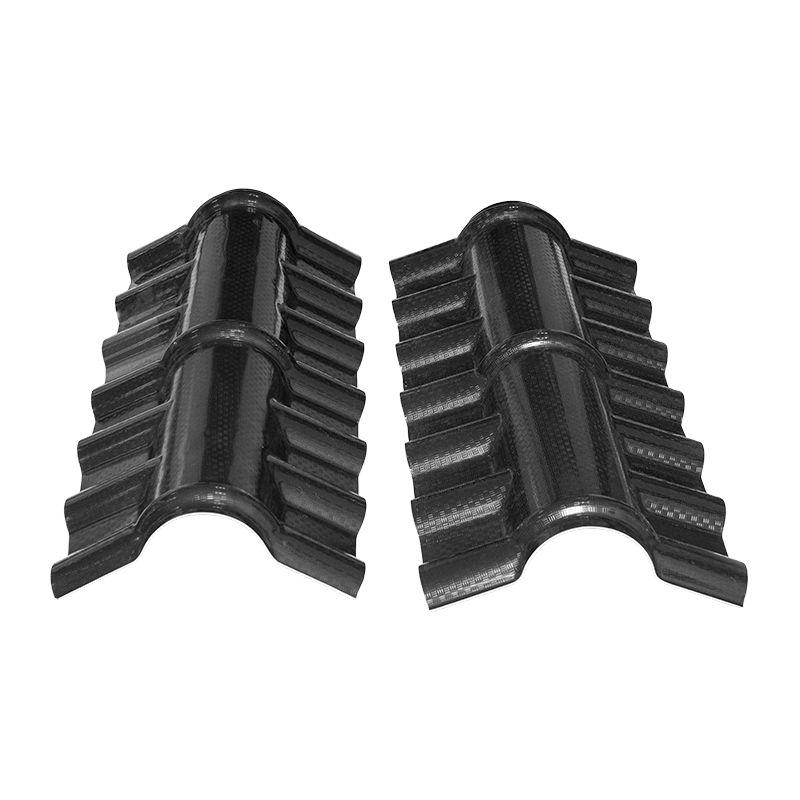
Ridge vents, positioned along the peak of the roof, are one of the most effective ways to ensure proper ventilation. These vents allow hot, moist air to escape from the attic or roof space. As the air rises naturally due to heat, it exits through the ridge vent, maintaining an equilibrium in the temperature and moisture levels within the roof structure. In hot climates, where external temperatures can cause internal attic temperatures to soar, ridge vents play a critical role in reducing heat buildup and preventing the roof from absorbing excessive heat. Additionally, ridge vents help minimize the chances of condensation formation, which can be harmful to the roofing material and the overall structure.
By encouraging natural air movement, ridge vents eliminate the need for powered ventilation systems, offering a low-maintenance and energy-efficient solution to roof ventilation.
2. Ensure Proper Eave Ventilation
Eave vents, located along the soffits of the roof, allow cooler air to enter the attic, replacing the warmer air being expelled by the ridge vents. This exchange creates a continuous airflow known as the "stack effect." As warm air rises and escapes through the ridge vents, cooler air enters through the eave vents, keeping the attic temperature in balance. This natural ventilation system helps to regulate the internal temperature, preventing heat buildup during hot months and reducing the risk of moisture condensation.
Proper eave ventilation is essential for ensuring that there is no stagnation of air, which could otherwise lead to higher humidity levels inside the roof space. This could increase the chances of mold growth, rusting of the metal components, or the decay of roofing materials.
3. Use an Underlayment with Ventilation Properties
An underlayment is a crucial layer between the Stone Coated Steel Roof Tiles and the structural deck of the roof. While traditional underlayments provide a waterproof barrier, advanced underlayment materials with enhanced ventilation properties also promote moisture drainage and vapor escape. These breathable underlayments allow trapped moisture beneath the roofing material to escape while preventing water infiltration from the outside.
By using breathable synthetic underlayment, the roof system benefits from both added waterproofing protection and improved ventilation. This layer helps prevent moisture buildup that could lead to corrosion, rust, or the growth of mildew and mold. Additionally, high-quality underlayment reduces the likelihood of condensation forming on the underside of the steel roof tiles, ensuring the tiles remain unaffected by humidity.
4. Install Gable Vents
Gable vents are another important component in a well-ventilated roofing system, particularly in homes with a gable roof design. These vents are installed at the peak of the gable end walls and serve as both intake and exhaust points for air. By placing gable vents on both sides of the roof, they enable cross-ventilation, which facilitates the movement of air through the entire attic or roof space.
Gable vents help create a balanced airflow when used in conjunction with ridge and soffit vents. In addition to helping expel warm air, they provide a means for cool air to enter the attic, ensuring that the entire roof structure remains adequately ventilated. For homes in humid or coastal areas, gable vents can also help minimize the potential for moisture buildup that could otherwise damage the Stone Coated Steel Roof Tiles and the underlying structure.
5. Ensure a Proper Ventilation Balance
The critical factor in ensuring that the Stone Coated Steel Roof Tiles are adequately ventilated is maintaining a proper balance between intake and exhaust vents. This balance, often referred to as the "ventilation ratio," ensures that the roof space has enough airflow to allow hot air to exit and cool air to enter. Typically, a ratio of 1:1 is recommended, where the intake vent area (such as eave or soffit vents) is equal to the exhaust vent area (such as ridge or gable vents).
Achieving the correct ventilation balance ensures a steady flow of air through the attic or roof space, preventing hot spots or pockets of moist air that could cause damage. If the intake vents are too small or obstructed, the exhaust vents will not function efficiently, leading to stagnant air and increased moisture levels inside the roof structure.
6. Choose a Proper Roof Ventilation System
In addition to passive ventilation techniques, powered ventilation systems, such as attic fans or roof-mounted ventilators, can be used to actively manage airflow. These systems are particularly useful in regions with extreme temperatures or high humidity levels, where passive ventilation may not be sufficient on its own.
Attic fans or power vents are designed to pull hot air out of the attic, forcing the buildup of heat to be expelled quickly, even during stagnant air conditions. These systems can be thermostatically controlled, turning on automatically when attic temperatures rise beyond a set point. Though more energy-consuming than passive ventilation, powered ventilation can provide an additional layer of protection in climates with long periods of intense heat or humidity, ensuring that the Stone Coated Steel Roof Tiles are not subjected to excessive thermal stress or moisture accumulation.