 English
 Français
Content
Material Composition and Thermal Stability
ASA (Acrylonitrile Styrene Acrylate) is a high-performance synthetic copolymer known for its exceptional thermal stability. The low coefficient of thermal expansion (CTE) of ASA resin is a key feature that helps it perform well in climates with large temperature fluctuations. The CTE of a material determines how much it expands or contracts when exposed to temperature changes. ASA’s CTE is much lower compared to traditional roofing materials such as concrete, clay, or metal, which are prone to significant expansion and contraction.
When exposed to heat or cold, these materials can distort, warp, or even crack, leading to long-term damage. In contrast, ASA Synthetic Resin Ridge Tiles are able to retain their shape and size despite significant thermal fluctuations. This property is crucial in regions with extreme weather variations, where materials with higher thermal expansion coefficients may fail to maintain structural integrity. For instance, in areas with a wide range of seasonal temperatures or day-to-night temperature swings, the low CTE of ASA helps prevent the ridge tiles from becoming distorted or misaligned over time, ensuring the roofing system remains stable and durable.
ASA's molecular structure allows it to resist degradation from temperature extremes, so even with repeated heating and cooling cycles, the tiles retain their original properties and dimensions, offering long-term reliability.
Flexibility and Strength Under Temperature Variability
One of the standout properties of ASA Synthetic Resin Ridge Tiles is the balance between flexibility and strength. Materials that are too rigid can crack or break under thermal stress, while materials that are too flexible may lose their structural integrity over time. ASA resin strikes an ideal balance, allowing the tiles to flex slightly without losing their strength.
As temperature fluctuates, materials naturally expand and contract. For instance, in the summer heat, the material expands, while in cold winter months, it contracts. ASA Synthetic Resin Ridge Tiles are designed to accommodate these changes without cracking or warping. This is particularly important in ridge tiles, which are located at the peak of a roof and need to perform well under varying thermal conditions.
The flexibility of ASA allows the tiles to maintain their shape and fit, even as they undergo slight changes in size due to temperature shifts. As the tiles expand or contract, the material’s resilience ensures that the roofing structure does not become compromised, preventing potential issues like leaks, gaps, or dislodgement of tiles. This flexibility makes ASA Synthetic Resin Ridge Tiles a perfect choice for areas with extreme temperature swings, as they can adapt to the environment while continuing to protect the building effectively.
Design and Installation Considerations for Joint Flexibility
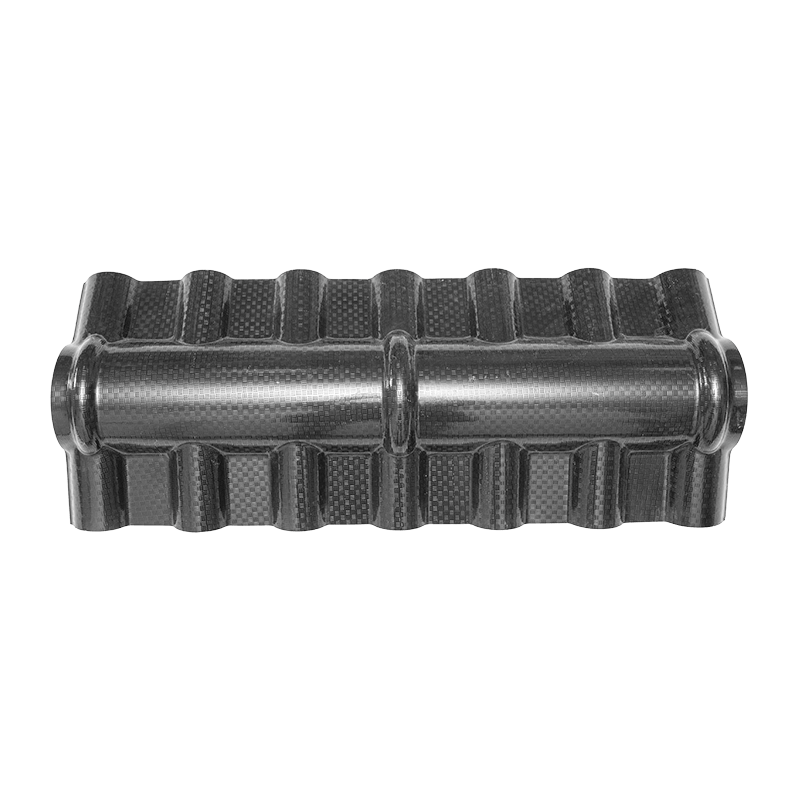
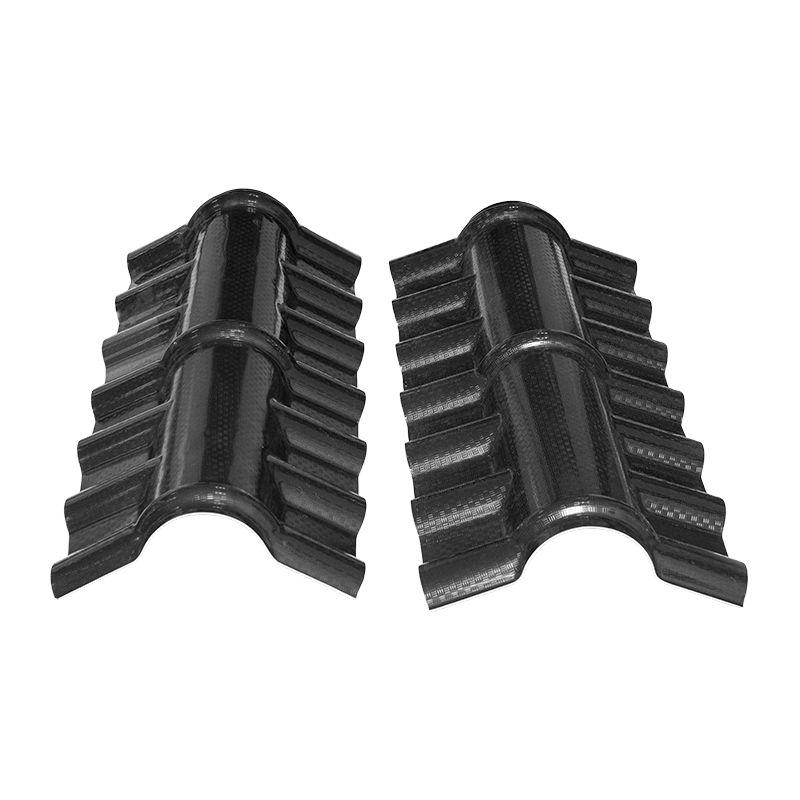
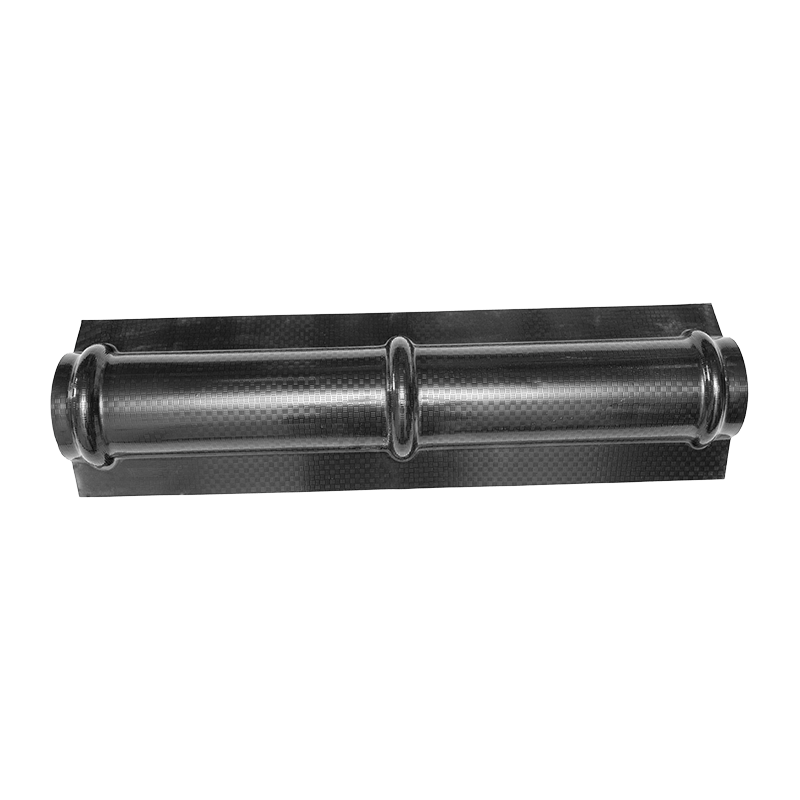
The design of ASA Synthetic Resin Ridge Tiles incorporates specific allowances for thermal expansion and contraction, which is critical for maintaining the overall integrity of the roof. Unlike traditional roofing materials, where joints can become tight and cause stress under temperature changes, ASA tiles are designed with flexible joint systems that allow the material to move slightly as needed.
During installation, it is essential to provide small gaps between the tiles at the joints. These gaps are carefully calculated based on the climate’s temperature fluctuations, ensuring that the tiles can expand or contract without placing pressure on one another. The design of the joint system is also crucial for preventing damage. For example, if the expansion is not accounted for, tiles may push against one another, leading to cracks or misalignment.
ASA ridge tiles also feature interlocking edges or overlapping designs, which enhance the flexibility of the joints, preventing any possible movement from disrupting the roof’s waterproofing and integrity. This is important for ridge tiles, which are often subjected to high winds, temperature extremes, and water exposure. Proper joint design ensures that the roofing system can handle thermal shifts without allowing gaps to form, which could compromise the roof’s waterproofing.
Resistance to UV Radiation and Its Impact on Thermal Behavior
ASA resin is specifically engineered to resist UV radiation, which is a significant cause of material degradation over time. UV rays can weaken the molecular bonds of certain materials, making them more susceptible to damage from temperature fluctuations. For roofing materials exposed to continuous sunlight, this can lead to cracking, fading, or even structural failure.
However, ASA’s UV resistance ensures that the tiles remain structurally sound and color-stable even in areas with high levels of direct sunlight. This is particularly important in climates with high UV exposure, such as desert regions or tropical areas, where traditional roofing materials may deteriorate quickly under the sun’s harsh rays.
The UV-stabilized nature of ASA resin also enhances the material’s thermal stability. Because ASA does not degrade under UV exposure, it continues to perform effectively when subjected to thermal expansion and contraction. This durability allows ASA Synthetic Resin Ridge Tiles to handle temperature shifts without the added complication of UV-induced brittleness, ensuring that they maintain both their aesthetic appeal and functional performance over time.
Performance in Extreme Environmental Conditions
The ASA Synthetic Resin Ridge Tile performs exceptionally well in a variety of extreme weather conditions. Whether subjected to freezing temperatures in the winter or intense heat during the summer months, ASA’s thermal properties enable the tiles to withstand significant temperature fluctuations without experiencing the kinds of damage that other materials may endure.
For instance, in freeze-thaw cycles, where materials freeze during the night and thaw during the day, other materials like clay or concrete may absorb moisture, which expands upon freezing, leading to cracks or splits. ASA resin, on the other hand, is non-porous and resistant to water absorption. This prevents the material from swelling or contracting with changes in moisture content, allowing it to maintain its integrity even in freezing conditions.
In hot climates, where daily temperature variations can be extreme, ASA Synthetic Resin Ridge Tiles maintain their structural integrity and appearance despite thermal expansion. The material’s ability to adapt to both freezing and heating cycles without cracking or losing its shape makes it a highly reliable choice for roofing in regions with volatile or extreme climates.