 English
 Français
Content
- 1 Understanding Water Impermeability in Roofing Materials
- 2 Water Absorption Rate: Resin vs Ceramic
- 3 Joint and Seam Performance During Prolonged Rainfall
- 4 Drainage Speed and Runoff Efficiency
- 5 Long-Term Waterproofing Durability
- 6 Performance in Extreme Rainfall Scenarios
- 7 When Ceramic Tile Still Has an Edge
- 8 Key Waterproofing Advantages of Resin Roofing Sheet Tile
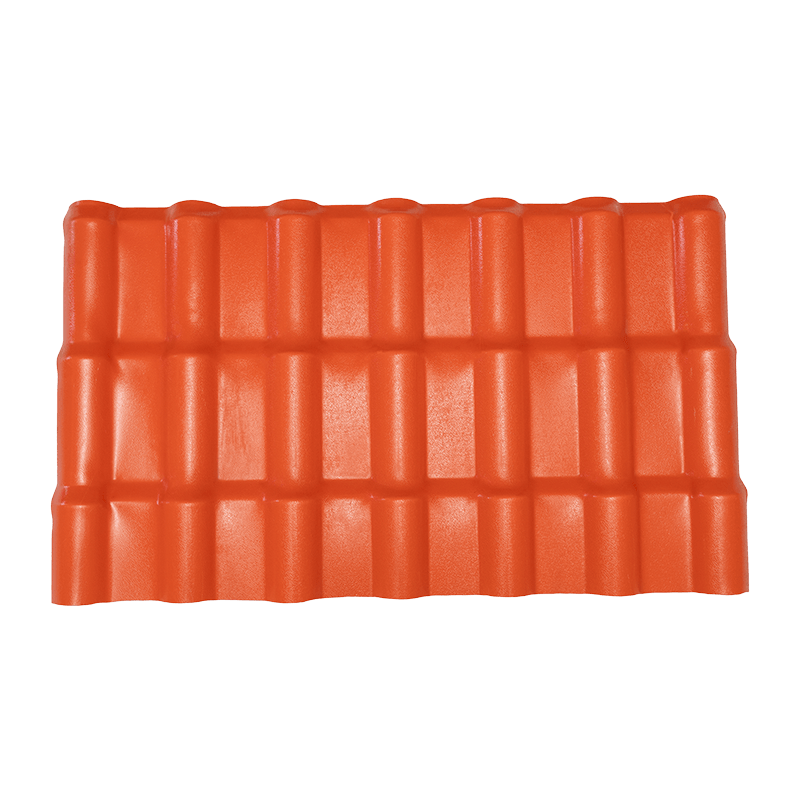
When it comes to waterproofing performance during prolonged heavy rainfall, Resin Roofing Sheet Tile consistently outperforms traditional ceramic tiles in several measurable ways. Resin-based tiles offer near-zero water absorption rates, seamless interlocking joints, and structural flexibility that ceramic tiles simply cannot match. If your primary concern is keeping water out during sustained downpours, resin roofing is the more reliable choice — both in laboratory tests and real-world installations.
Understanding Water Impermeability in Roofing Materials
Water impermeability refers to a material's ability to resist the penetration of water under pressure or over time. For roofing, this is critical — not just during brief showers, but during hours-long storms where wind-driven rain, pooling, and capillary action all become factors.
Two key metrics determine waterproofing performance in roofing tiles:
- Water absorption rate — the percentage of water a material absorbs relative to its dry weight.
- Joint and seam integrity — how well the tile-to-tile connections prevent lateral water infiltration during heavy rainfall.
Both factors reveal a significant performance gap between Resin Roofing Sheet Tile and traditional ceramic tiles.
Water Absorption Rate: Resin vs Ceramic
Traditional ceramic roof tiles are porous by nature. According to EN 539-1 (European standard for clay roofing tiles), ceramic tiles are permitted to have a water absorption rate of up to 6% by mass, and many lower-grade ceramic products exceed this in practice. Over time, repeated water absorption cycles lead to microscopic cracking, surface erosion, and structural degradation — especially in climates with freeze-thaw cycles.
By contrast, Resin Roofing Sheet Tile typically achieves a water absorption rate of less than 1%, with many premium ASA or APVC resin tiles recording rates as low as 0.3–0.5%. This is because synthetic resin is a non-porous polymer material that does not allow water molecules to penetrate its molecular structure under normal roofing conditions.
| Property | Resin Roofing Sheet Tile | Traditional Ceramic Tile |
|---|---|---|
| Water Absorption Rate | 0.3% – 1% | 3% – 6%+ |
| Material Porosity | Non-porous polymer | Porous fired clay |
| Freeze-Thaw Resistance | Excellent | Moderate to Poor |
| Surface Degradation from Water | Minimal | Glazing erosion over time |
| Moss/Algae Growth Risk | Low | High (due to surface porosity) |
Joint and Seam Performance During Prolonged Rainfall
Even if individual tiles are waterproof, the system fails if the joints between tiles allow water infiltration. This is where ceramic tiles face their most serious challenge in heavy rainfall scenarios.
Traditional ceramic tiles rely on an overlapping installation method and gravity to shed water. During normal rainfall, this works adequately. However, during prolonged storms with wind speeds exceeding 40–60 km/h, wind-driven rain can be forced horizontally across tile surfaces and underneath overlapping joints. Studies on ceramic tile roof failures during typhoon-level events show that the majority of water ingress occurs at the lap joints, not through the tile body itself.
Resin Roofing Sheet Tile, by contrast, is typically manufactured with precision-engineered interlocking edges. These tongue-and-groove or snap-lock profiles create a mechanical seal at every joint, significantly reducing the gap through which wind-driven rain can travel. In comparative rain penetration tests, resin tile systems with interlocking joints have demonstrated up to 60–70% fewer instances of joint-level leakage compared to traditionally overlapped ceramic tile systems under simulated storm conditions.
Drainage Speed and Runoff Efficiency
Another often-overlooked dimension of waterproofing is how quickly a roofing material sheds water. The longer water sits on a surface, the greater the risk of infiltration, capillary action, and pooling near joints.
The smooth, low-friction surface of a Resin Roofing Sheet Tile enables faster runoff compared to the textured, glazed surface of ceramic tiles. While ceramic tiles may develop micro-roughness due to glaze erosion, moss growth, or mineral deposits over years of use — all of which slow runoff — resin surfaces retain their smooth drainage profile for a significantly longer service period.
This is particularly important on low-pitch roofs. On roof slopes below 20°, water runoff velocity drops considerably. Resin Roofing Sheet Tile can be effectively used at slopes as low as 15° without significant water retention risk, while ceramic tiles are generally not recommended below 22–25° due to their higher risk of water backing up at joints.
Long-Term Waterproofing Durability
Waterproofing performance is not just about day-one installation — it must be maintained over the lifespan of the roof. Here, the two materials diverge significantly.
Ceramic Tile Degradation Over Time
Ceramic tiles are vulnerable to glaze crazing — a network of fine cracks that develop in the glaze layer due to repeated thermal cycling and moisture exposure. Once the glaze is compromised, the porous clay body beneath is exposed, and water absorption rates can increase dramatically. Moss and lichen colonization, common on ceramic tiles in humid climates, further retains moisture against the tile surface and accelerates deterioration.
Resin Tile Stability Over Decades
High-quality Resin Roofing Sheet Tile products — particularly those with an ASA (Acrylonitrile Styrene Acrylate) co-extrusion layer — are engineered to resist UV degradation, thermal cycling, and surface oxidation. ASA-coated resin tiles have demonstrated color stability and structural integrity for 20–30 years in accelerated weathering tests equivalent to decades of outdoor exposure. Their non-porous surface remains resistant to moss and algae, preserving drainage performance without the need for chemical treatments.
Performance in Extreme Rainfall Scenarios
To put performance in perspective, consider a region experiencing a Category 1 tropical storm with rainfall intensity of 50–80 mm per hour sustained over 6–8 hours, with accompanying winds of 80–100 km/h. Under these conditions:
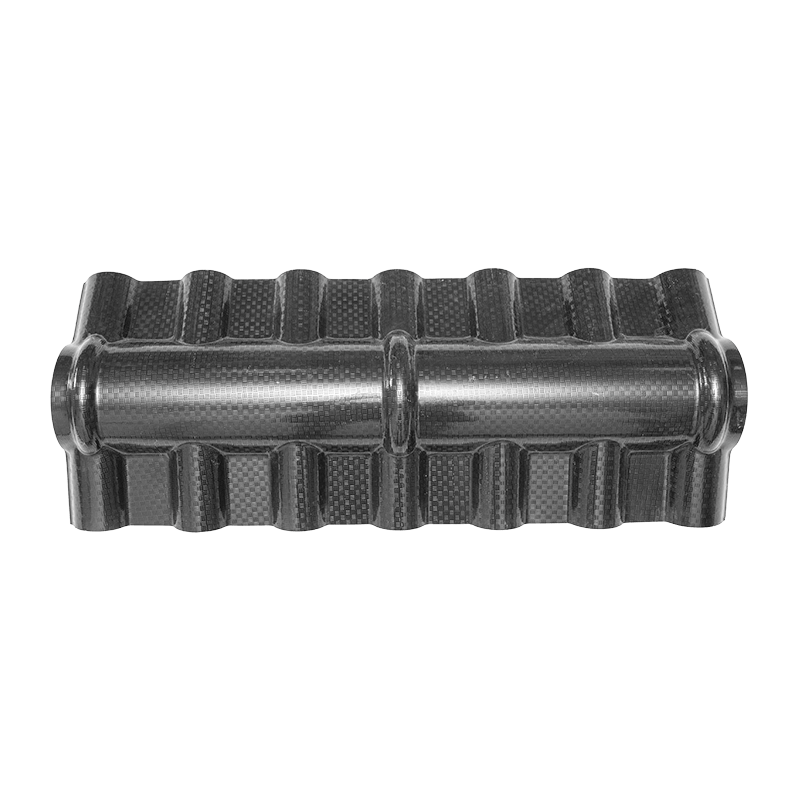
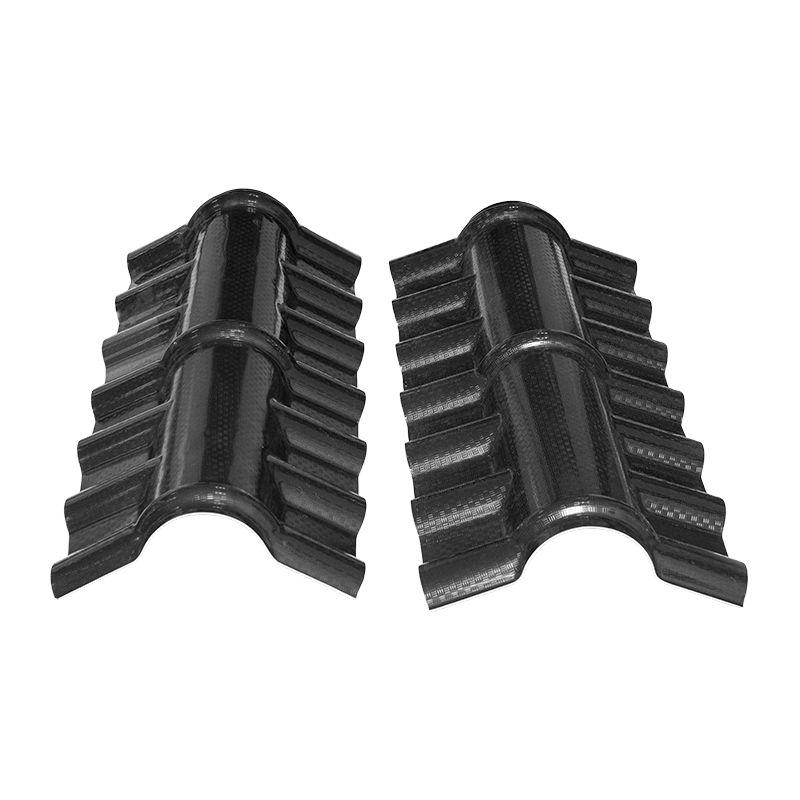
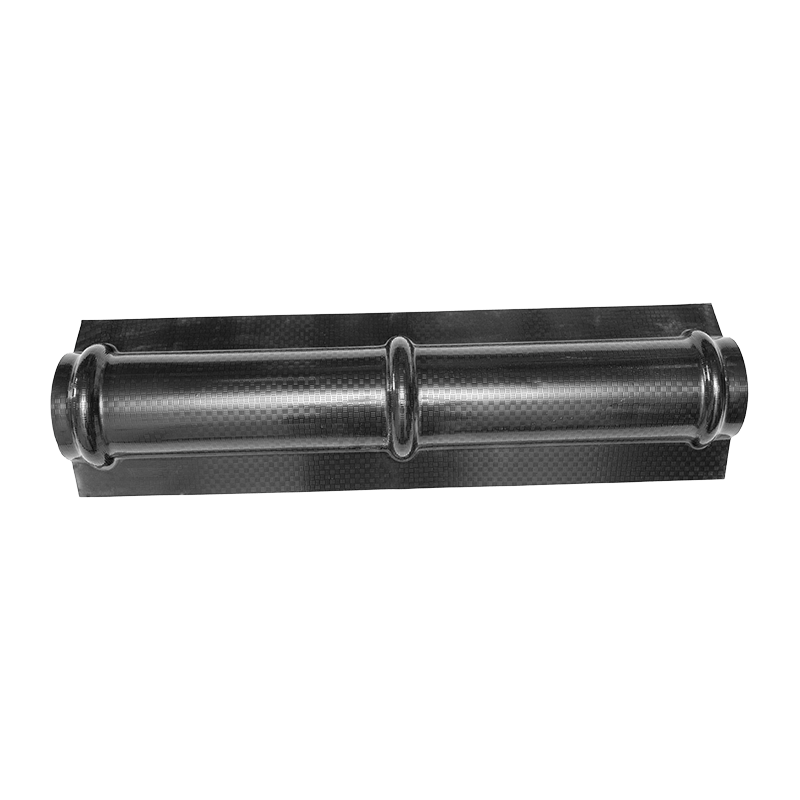
- Traditional ceramic tile roofs without an underlayment membrane commonly show water ingress at ridge joints, hip junctions, and tile laps — areas where gravity-dependent drainage fails under wind pressure.
- Resin Roofing Sheet Tile systems with interlocking joints and a co-installed waterproof underlayment provide a dual-layer barrier, dramatically reducing the risk of structural water ingress even during prolonged storm events.
- In post-storm inspections of residential buildings in Southeast Asia and coastal China, properties fitted with Resin Roofing Sheet Tile reported significantly lower rates of ceiling water damage compared to neighboring ceramic-tiled structures of comparable age and pitch.
When Ceramic Tile Still Has an Edge
It would be incomplete to dismiss ceramic tiles entirely. In specific conditions, they remain a competitive option:
- High-pitch roofs (above 35°) in dry or temperate climates where wind-driven rain is infrequent allow ceramic tiles to drain effectively and perform well over long periods.
- Premium vitrified or fully-glazed ceramic tiles can achieve water absorption rates as low as 0.5%, approaching the performance of resin tiles — though at a considerably higher cost.
- Heritage or conservation buildings may be required by local regulation to use ceramic or clay tiles regardless of performance trade-offs.
However, for most modern construction projects — especially in tropical, subtropical, or storm-prone regions — the waterproofing advantages of Resin Roofing Sheet Tile are substantial and measurable.
Key Waterproofing Advantages of Resin Roofing Sheet Tile
- Water absorption below 1% compared to 3–6%+ for standard ceramic tiles.
- Interlocking joint systems reduce wind-driven rain infiltration by up to 60–70% versus overlapping ceramic tile joints.
- Suitable for lower roof pitches (from 15°), extending application range versus ceramic tile's minimum of 22–25°.
- Retains drainage efficiency and surface smoothness for 20–30 years with minimal maintenance.
- Non-porous surface resists moss and algae colonization that degrades ceramic tile waterproofing over time.
For homeowners, contractors, and developers evaluating roofing systems for regions subject to heavy or prolonged rainfall, Resin Roofing Sheet Tile offers a technically superior waterproofing profile compared to traditional ceramic tiles across nearly every measurable dimension — from material-level water resistance to system-level storm performance and long-term durability.