 English
 Français
Content
The UV resistance of Corrugated FRP roofing panels compared to acrylic roofing sheets is not absolute, but in most real-world applications, acrylic roofing sheets demonstrate superior inherent UV resistance and long-term optical clarity. However, high-quality FRP panels with UV-stabilized gel coats can perform competitively, especially in industrial environments where mechanical strength is also important.
In short, acrylic performs better in maintaining transparency and resisting yellowing under prolonged sunlight exposure, while FRP offers a more balanced solution when structural durability and chemical resistance are also required.
Material Composition and UV Behavior
Understanding UV resistance requires examining the material composition of both products. Corrugated FRP roofing panels are made of fiberglass reinforced polymer resin, often polyester or vinyl ester. Their UV performance depends heavily on surface treatments such as gel coats or UV inhibitors.
Acrylic roofing sheets, on the other hand, are made from polymethyl methacrylate (PMMA), a material known for its exceptional clarity and strong resistance to UV radiation. Unlike FRP, acrylic does not rely heavily on surface coatings to maintain UV stability.
- Acrylic maintains up to 92–93% light transmission over long UV exposure periods.
- Standard FRP may experience yellowing within 3–5 years without UV coating.
- UV-stabilized FRP can extend performance up to 10–20 years depending on environment.
- Acrylic retains optical clarity more consistently in direct sunlight.
In applications such as skylights or daylight roofing systems, acrylic is often preferred due to its stable UV transparency.
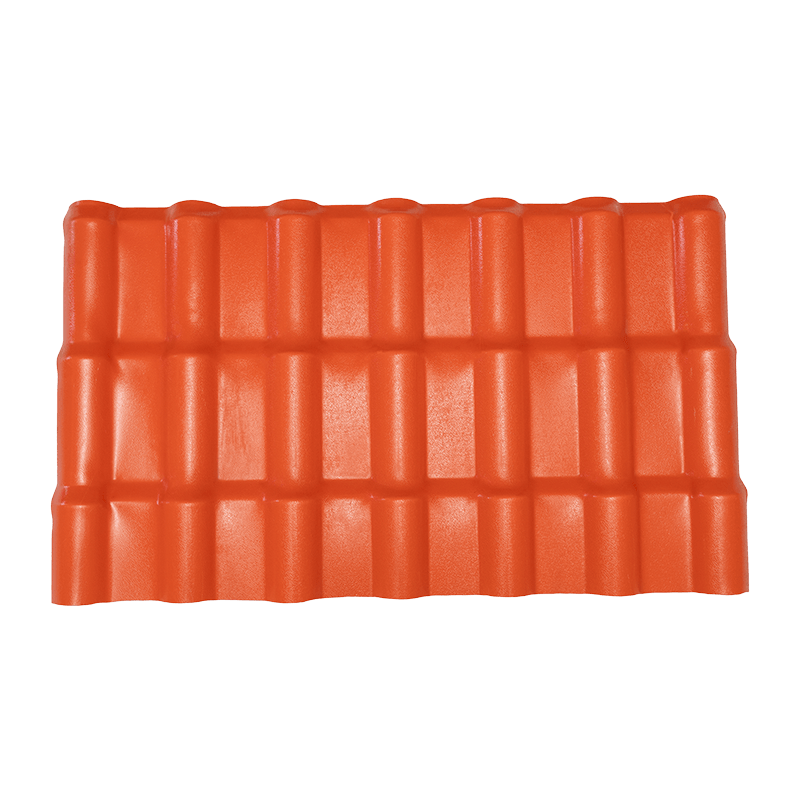
Corrugated FRP roofing panels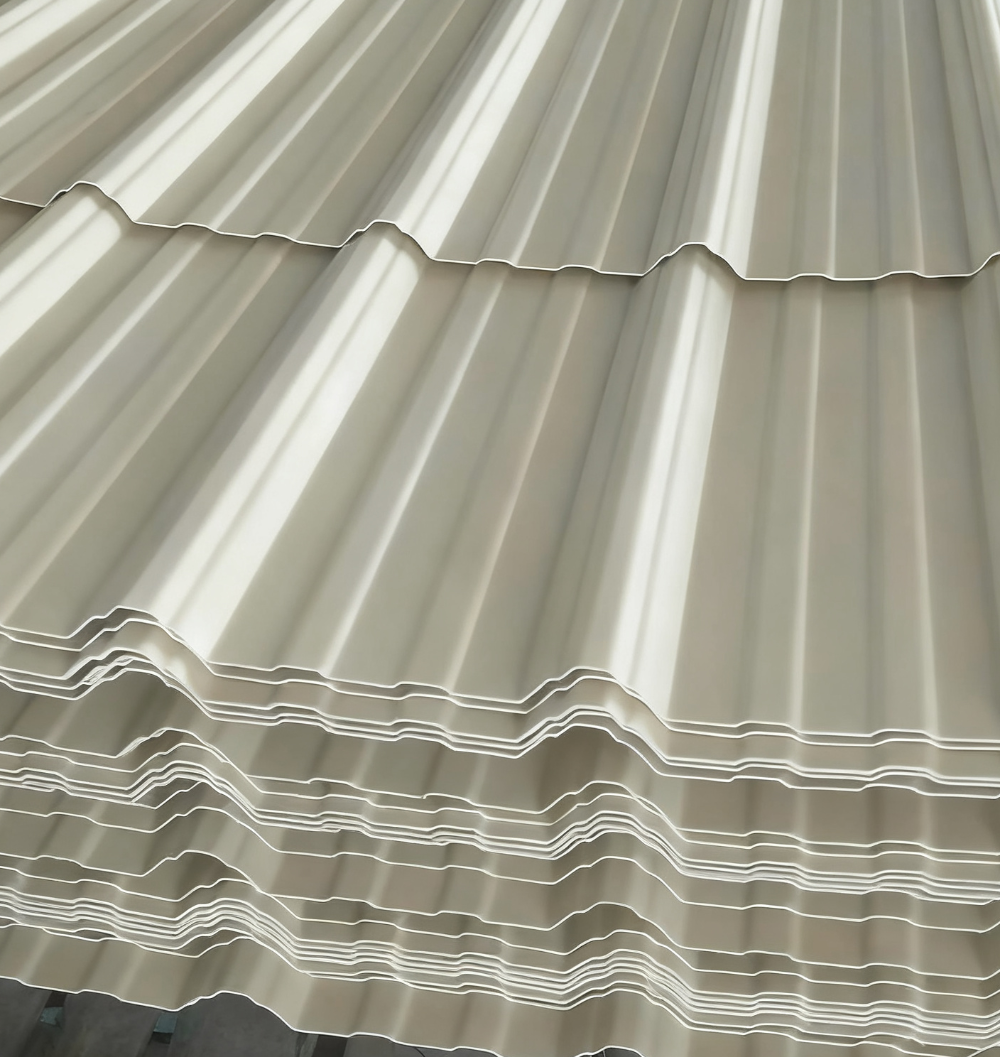
Real-World UV Performance and Lifespan
In real-world exposure conditions, UV radiation is influenced by climate, altitude, and installation design. For example, in high-sun regions such as deserts or tropical zones, material degradation occurs faster if UV protection is insufficient.
Corrugated FRP roofing panels typically perform well in industrial environments where UV exposure is combined with dust, chemicals, and mechanical stress. However, their surface resin can degrade if not properly protected.
Acrylic roofing sheets perform consistently in architectural applications such as greenhouses, skylights, and commercial canopies. They resist UV-induced brittleness better, although they may scratch more easily than FRP.
| Feature | Corrugated FRP Roofing Panels | Acrylic Roofing Sheets |
|---|---|---|
| UV Resistance | Moderate to High (with coating) | High (inherent) |
| Yellowing Risk | Medium if unprotected | Low |
| Service Life | 10–20 years | 15–25 years |
| Light Transmission | 70–85% | 85–93% |
This comparison shows that acrylic generally provides better optical and UV stability, while FRP offers a more industrial-grade balance of strength and cost efficiency.
UV Protection Strategies and Installation Considerations
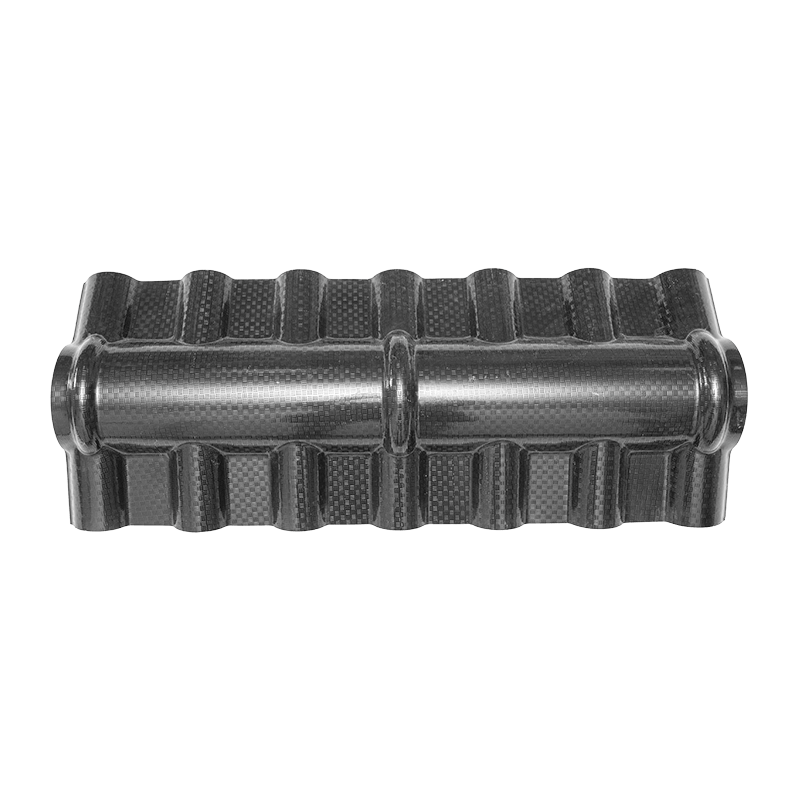
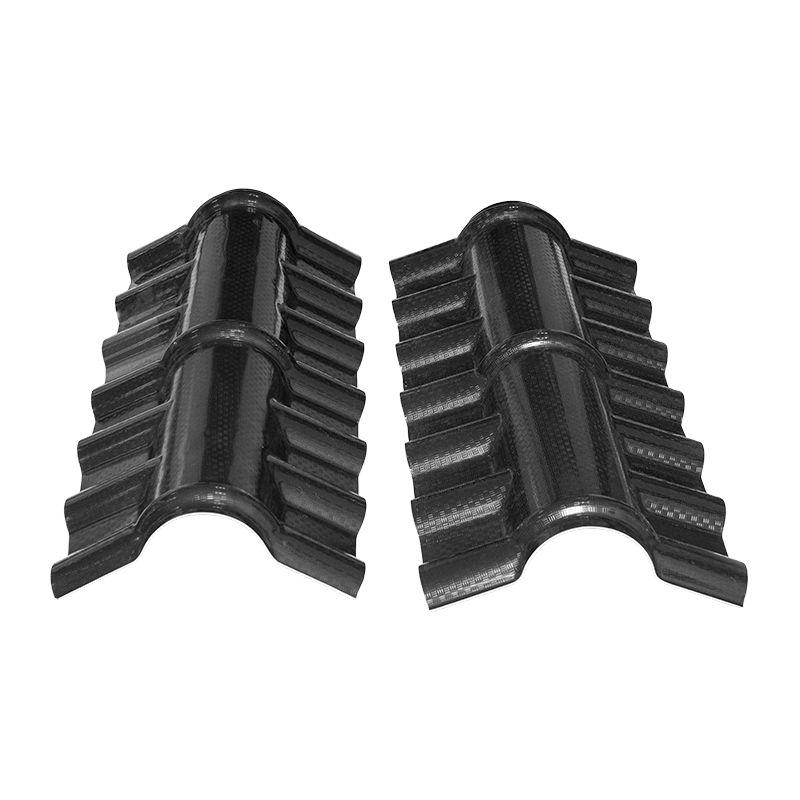
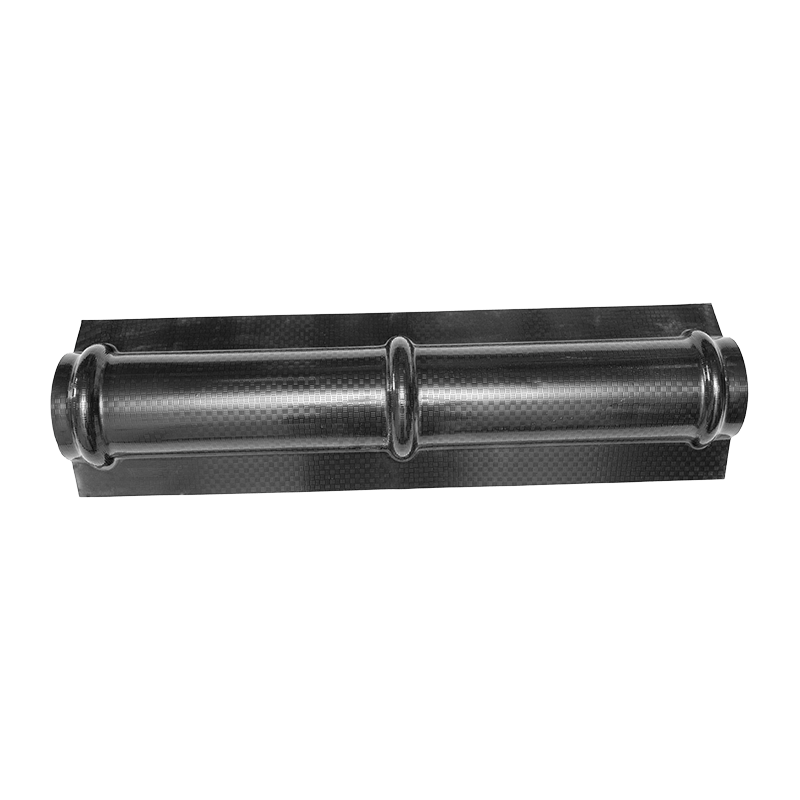
The performance of both materials can be significantly improved through proper installation and design practices. For example, incorporating roof ridge ventilation helps reduce heat buildup under roofing systems, indirectly lowering UV-related thermal stress on materials.
In traditional tile roof installation systems, UV exposure is less direct due to overlapping structures. However, in corrugated sheet systems, direct sunlight exposure is higher, making UV stabilization more critical.
Best practices for extending UV lifespan
- Use UV-coated FRP panels in high-sun environments.
- Select acrylic sheets with anti-scratch UV hard coatings.
- Ensure proper roof ventilation to reduce heat accumulation.
- Avoid chemical exposure that may accelerate surface degradation.
These strategies help both materials perform closer to their maximum expected lifespan under harsh UV conditions.
When selecting between these two materials, UV resistance should not be the only factor. Cost, mechanical strength, and application type are equally important.
Corrugated FRP roofing panels are widely used in warehouses, industrial plants, and agricultural structures due to their lower cost and higher impact resistance. Acrylic roofing sheets are preferred in architectural designs where visual clarity and aesthetic performance are critical.
Acrylic is the superior choice for UV transparency and long-term optical performance, while FRP is the more versatile option for demanding structural environments where UV exposure is only one of many factors.