 English
 Français
Content
- 1 Understanding Snow Load and Why It Matters for Roofing Materials
- 2 Material Composition and Its Impact on Load-Bearing Capacity
- 3 Head-to-Head Load-Bearing Data Comparison
- 4 How Roof Pitch Affects Snow Load Performance for Each Tile Type
- 5 Low-Temperature Behavior: A Critical Factor in Snow Climates
- 6 Practical Application Scenarios: Which Tile Fits Which Project?
- 7 Installation Considerations That Affect Snow Load Performance
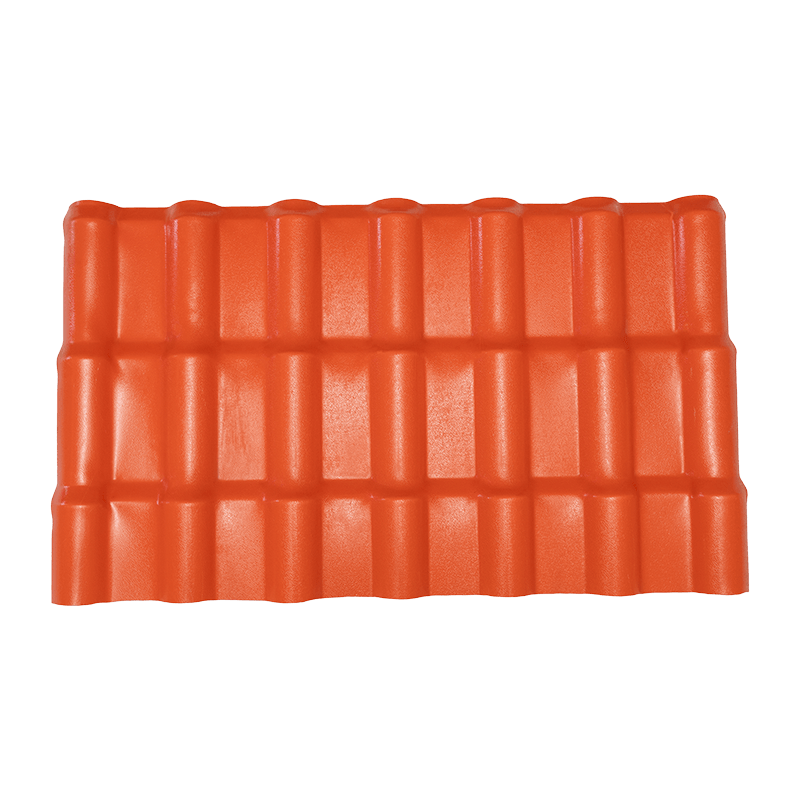
When comparing load-bearing performance under heavy snow, resin roofing sheet tile consistently outperforms polycarbonate roofing sheet tile. A standard resin roofing sheet tile can withstand snow loads of 150–220 kg/m², while most polycarbonate roofing sheet tile products are rated for 80–130 kg/m² under similar conditions. This difference is not marginal — in regions with annual snowfall exceeding 1.5 meters, choosing the wrong material can lead to structural deformation, cracking, or complete roof failure. If your project is located in a heavy-snow climate zone, resin roofing sheet tile is the technically superior choice.
Understanding Snow Load and Why It Matters for Roofing Materials
Snow load refers to the downward force exerted on a roof surface by accumulated snow and ice. It is measured in kilograms per square meter (kg/m²) or pounds per square foot (psf). Building codes in many countries — including those in North America, Northern Europe, and Northern China — require roofing materials to meet minimum snow load thresholds depending on geographic location.
Wet, compacted snow can weigh as much as 500 kg/m³, meaning even a 20 cm accumulation generates approximately 100 kg/m² of pressure. Ice layers compound this further. A roofing material that cannot elastically absorb and redistribute this pressure will crack, bow, or detach from its fastening points.
Both resin roofing sheet tile and polycarbonate roofing sheet tile are lightweight alternatives to metal or concrete roofing. However, their internal material composition leads to significantly different structural behaviors under sustained compressive stress.
Material Composition and Its Impact on Load-Bearing Capacity
Resin Roofing Sheet Tile: Composite Strength
A resin roofing sheet tile is typically manufactured from a blend of synthetic resins — most commonly ASA (acrylonitrile styrene acrylate), PVC, or polypropylene — reinforced with fiberglass strands or mineral fillers. This composite structure creates a dense, semi-rigid panel with excellent flexural strength. The interlocking profile design of most resin roofing tile products distributes point loads across a wider surface area, reducing stress concentration at any single location.
The tensile strength of a quality resin roofing sheet tile typically ranges from 30–55 MPa, and its flexural modulus sits between 2,500–4,000 MPa. These values mean the tile resists bending under sustained load without permanent deformation.
Polycarbonate Roofing Sheet Tile: Transparency at a Structural Cost
Polycarbonate roofing sheet tile is engineered primarily for light transmission — typically offering 75–92% light transmittance in its clear form. Its core material is thermoplastic polycarbonate, which, while impact-resistant under short-duration dynamic loads, is more susceptible to creep (gradual deformation) under long-duration static loads such as heavy snow accumulation. The hollow-chamber construction found in many multi-wall polycarbonate roofing sheet tile profiles reduces weight but also limits its vertical load capacity.
Polycarbonate's flexural modulus is typically 2,200–2,600 MPa — lower than most resin roofing tile grades — and its performance degrades more noticeably at sub-zero temperatures due to increased brittleness.
Head-to-Head Load-Bearing Data Comparison
The table below summarizes key structural performance metrics for resin roofing sheet tile versus polycarbonate roofing sheet tile under snow load conditions:
| Performance Metric | Resin Roofing Sheet Tile | Polycarbonate Roofing Sheet Tile |
|---|---|---|
| Max Snow Load Rating | 150–220 kg/m² | 80–130 kg/m² |
| Flexural Modulus | 2,500–4,000 MPa | 2,200–2,600 MPa |
| Tensile Strength | 30–55 MPa | 55–65 MPa |
| Creep Resistance (Static Load) | High | Moderate |
| Low-Temperature Brittleness | Low (stable to −40°C) | Moderate (below −20°C risk) |
| Typical Panel Thickness | 2.5–4.0 mm (solid) | 4–16 mm (multi-wall hollow) |
| Weight (per m²) | 3.5–6.0 kg | 1.5–3.5 kg |
Note that polycarbonate achieves higher raw tensile strength, but this metric measures resistance to pulling forces — not sustained compressive or bending stress from accumulated snow. In real-world snow load scenarios, flexural modulus and creep resistance are more predictive of performance than tensile strength alone.
How Roof Pitch Affects Snow Load Performance for Each Tile Type
Roof pitch (slope angle) directly determines how quickly snow sheds from the surface before accumulation becomes a structural concern. Both resin roofing tile and polycarbonate roofing sheet tile perform better on steeper pitches, but their minimum recommended slopes differ.
- Resin roofing sheet tile is suitable for pitches as low as 15° (approximately 3:12), making it versatile for low-slope agricultural buildings and warehouses in snow regions.
- Polycarbonate roofing sheet tile is generally recommended at a minimum pitch of 20–25° in snow climates to prevent pooling water and ice dam formation at panel seams.
- On flat or near-flat roofs (under 10°), neither material is recommended without supplemental structural support, but the resin roofing tile variant tolerates the risk better due to its superior static load resistance.
For structures in alpine or subarctic zones where roof pitch may be deliberately steep (45°+), both materials shed snow effectively. In those scenarios, the selection difference becomes less about snow load and more about insulation, aesthetics, and cost — where resin roofing tile again offers advantages in thermal resistance and visual versatility.
Low-Temperature Behavior: A Critical Factor in Snow Climates
Snow climates are not only defined by precipitation — they are defined by sustained cold. A roofing material that becomes brittle at low temperatures poses a serious risk during freeze-thaw cycles, where contraction and expansion stress the panel and its fastening points repeatedly over months.
Quality resin roofing sheet tile formulations — particularly those using ASA surface layers — maintain structural flexibility and impact resistance at temperatures as low as −40°C. Field tests conducted in northern climates confirm that a correctly installed resin roofing tile does not crack or delaminate after 10+ freeze-thaw cycles per season.
Standard polycarbonate roofing sheet tile, by contrast, begins to exhibit increased brittleness below −20°C. While impact-modified polycarbonate grades exist, they come at significant cost premiums and may still underperform relative to resin roofing tile in sustained cold. Additionally, UV-induced yellowing and micro-crazing on polycarbonate surfaces can accelerate stress cracking in cold conditions.
Practical Application Scenarios: Which Tile Fits Which Project?
Choosing between resin roofing sheet tile and polycarbonate roofing sheet tile in snow regions depends on the building's function and light requirements:
- Residential homes and farmhouses in heavy-snow zones: Resin roofing tile is the clear choice. Its higher snow load rating, lower cold brittleness, and aesthetic compatibility with traditional roof profiles make it the industry standard for these applications.
- Greenhouses and garden pergolas in moderate-snow areas: Polycarbonate roofing sheet tile may be acceptable if snow loads remain below 100 kg/m² and the pitch is at least 25°. Regular manual snow clearing should be planned.
- Industrial warehouses and logistics facilities: Resin roofing tile with fiberglass reinforcement is preferred. Span widths of 6–12 meters between purlins are achievable with heavier gauge resin panels, eliminating the need for additional mid-span support.
- Commercial skylights and canopies: If natural light is essential and structural snow loads are moderate, a hybrid approach — using polycarbonate roofing sheet tile panels at ridge positions and resin roofing tile across the main slope — can balance light transmission with load-bearing integrity.
Installation Considerations That Affect Snow Load Performance
Even the best-performing resin roofing tile or polycarbonate roofing sheet tile will fail prematurely if improperly installed. Key installation factors that directly impact snow load performance include:
- Purlin spacing: For resin roofing tile, purlin spacing of 600–900 mm is standard in moderate-snow areas. In heavy-snow zones, reducing spacing to 450–600 mm significantly improves deflection resistance. Polycarbonate panels require tighter spacing — typically no more than 500 mm — to avoid mid-span bowing.
- Fastener type and placement: Resin roofing sheet tile should be fixed with self-tapping screws fitted with EPDM washers at rib crests to maintain waterproofing integrity under freeze-thaw movement. Polycarbonate panels require pre-drilled oversized holes to allow thermal expansion without cracking.
- Overlap length: Both tile types require a minimum end-lap of 150–200 mm to prevent water infiltration from snowmelt. Inadequate overlap is one of the most common causes of leakage failures in snow climates.
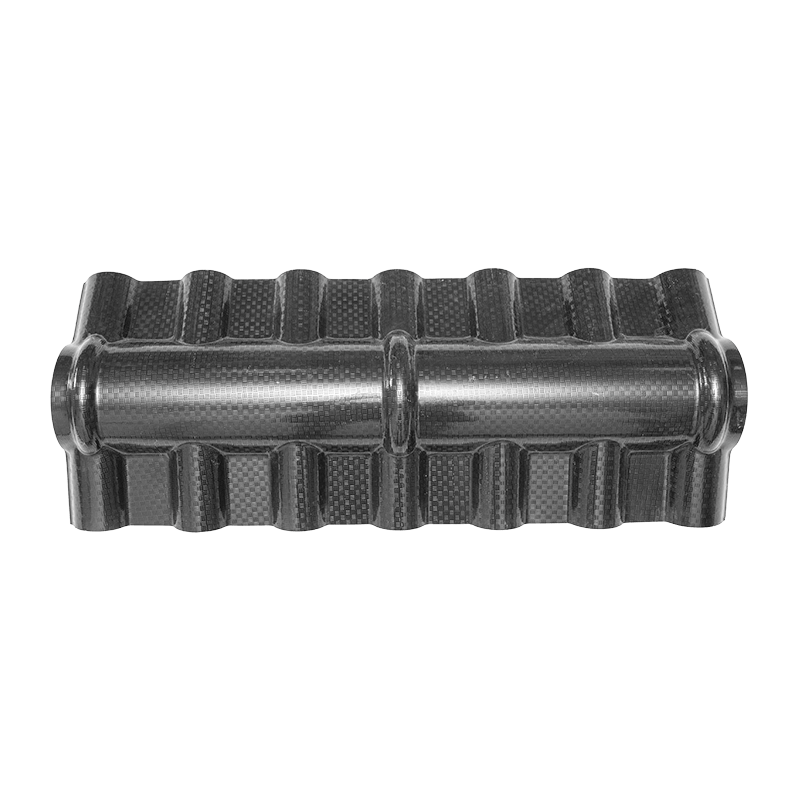
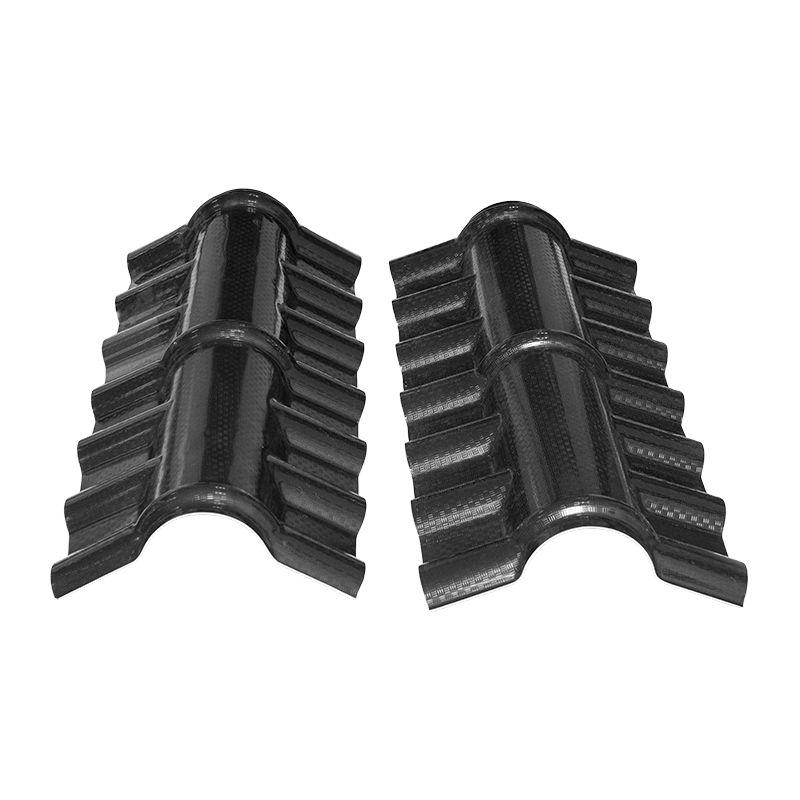
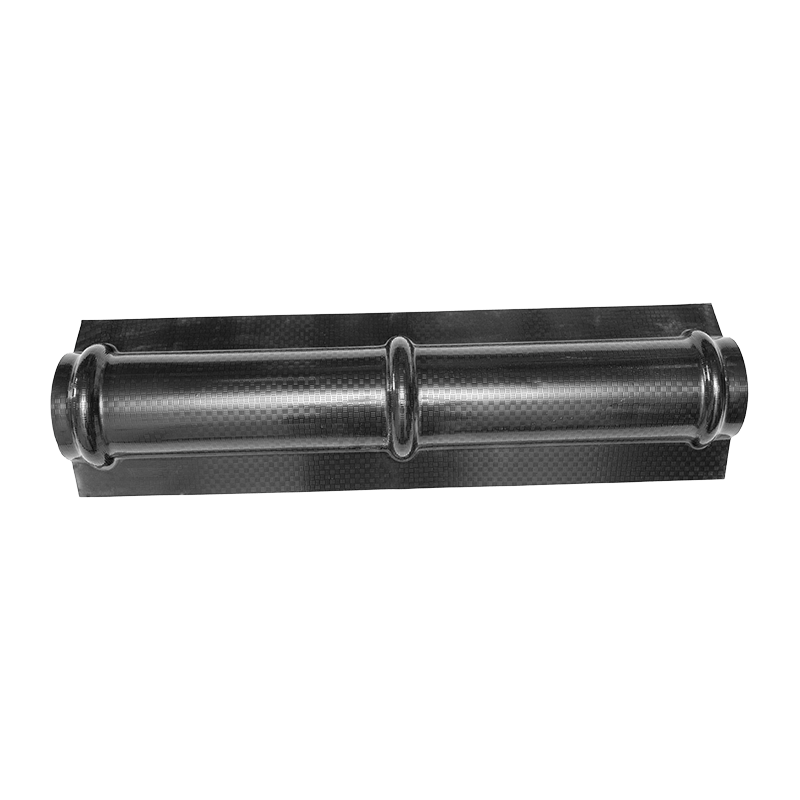
- Ridge and eave sealing: Foam closure strips at ridges and eaves are essential for both resin roofing tile and polycarbonate roofing sheet tile to prevent ice-driven wind infiltration and pest entry in cold-weather installations.
For the majority of construction projects in regions with regular or heavy snowfall, resin roofing sheet tile is the technically superior and more reliable choice. It offers a higher snow load tolerance, better creep resistance under sustained pressure, stable performance at extreme low temperatures, and a longer effective service life — typically 25–30 years versus 10–15 years for standard polycarbonate roofing sheet tile in harsh climates.
Polycarbonate roofing sheet tile remains a valid option when natural light transmission is a non-negotiable requirement and the building is located in a region with light to moderate snowfall (under 80 kg/m² cumulative load). In those cases, select a twin-wall or triple-wall polycarbonate panel with a minimum thickness of 10 mm, ensure pitch exceeds 20°, and implement a regular snow removal plan.
When structural integrity under snow load is the primary decision criterion, the data is clear: invest in resin roofing tile for long-term performance, cost efficiency, and peace of mind throughout winter seasons.